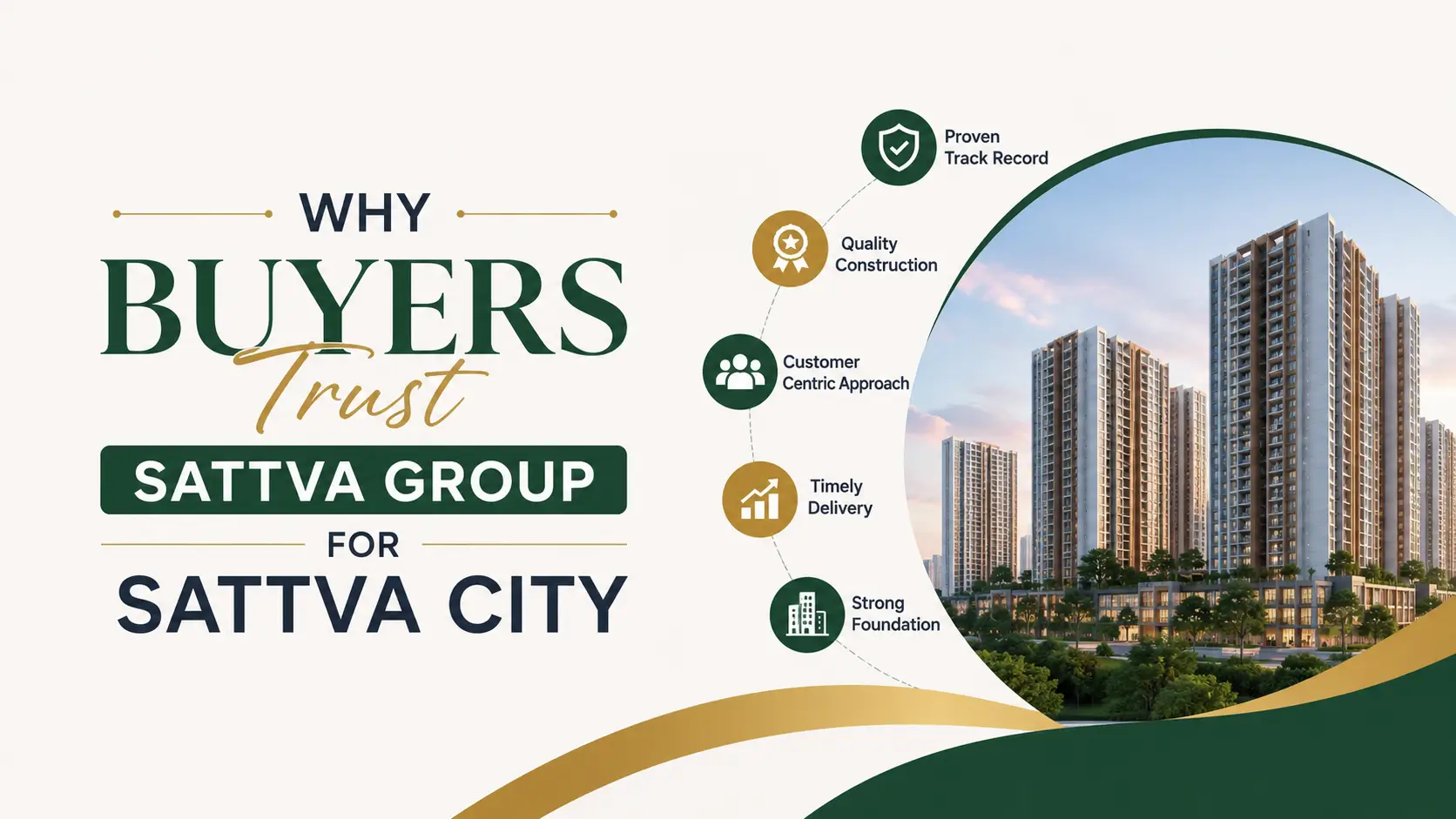
Why choose Sattva Group for Sattva City — buyer reviews, trust signals, long-standing developer credibility, and three pillars of buyer confidence.
The question why choose Sattva Group for Sattva City is at the heart of every EOI decision. Real estate at this tier is fundamentally a trust transaction — the buyer commits capital years before handover against a developer's commitment to deliver. The why choose Sattva Group for Sattva City answer rests on three pillars: institutional delivery discipline across business cycles, operational continuity in post-handover community management, and brand-supported resale value over the ownership horizon.
This blog walks through these three pillars in detail and explains why they translate into specific reassurances for Sattva City buyers.
Pillar 1: Institutional Delivery Discipline
Sattva Group long standing developer status means the company has delivered residential projects through multiple business cycles — economic downturns, regulatory transitions (RERA introduction, GST changes), interest rate environments, and external shocks (COVID-19). Each delivery cycle survived without project abandonment or material delay builds institutional credibility that single-cycle developers cannot match. For a Sattva City EOI buyer committing today against a 42 to 48 month handover window, the developer's demonstrated ability to deliver across difficult macro periods is the most consequential trust signal.
Pillar 2: Operational Continuity
Beyond construction delivery, the why choose Sattva Group for Sattva City case includes post-handover operational continuity. Sattva-affiliated services typically handle property management for delivered projects, providing continuity that boutique developers cannot match. This means the building's maintenance discipline, the community's amenity quality, and the resident services standard remain consistent from handover through the 5-year and 10-year occupancy marks. Many premium projects degrade visibly within 3 to 5 years of handover when initial developer attention shifts to new projects — Sattva's operational continuity model is designed to prevent this.
Pillar 3: Brand-Supported Resale Value
The Sattva City buyer trust case also rests on long-term resale value. A Sattva-developed property typically commands resale premium versus boutique competing inventory in the same micro-market because buyers recognise the brand and have the institutional context to evaluate the project against the developer's broader track record. For investors planning eventual exit and for end-users who may eventually upgrade, brand-supported resale liquidity matters materially over the ownership horizon.
Sattva Group Buyer Reviews
Sattva Group buyer reviews across earlier delivered projects provide one of the most useful third-party signals. Reviews are mixed across any developer's portfolio — some buyers will have negative experiences regardless of how well the developer operates. What matters is the pattern across the body of reviews: are delivery commitments met substantially? Is the construction quality holding up at the 3-year and 5-year marks? Is the post-handover community management responsive? Is the developer's communication during construction reasonable? On these dimensions, the Sattva Group buyer reviews pattern supports the institutional credibility case.
Sattva City Buyer Trust — Specific Reassurances
For Sattva City specifically, the Sattva City buyer trust framework includes four specific reassurances. Karnataka RERA registration (in process) brings the full RERA framework's buyer protections including escrow, plan disclosure, structural defect liability, and delay penalties. Sattva Group's documented corporate registration (Sattva City Private Limited) provides the statutory transparency that supports independent verification. The developer's North Bangalore corridor experience means the operational know-how is local rather than imported. The Sattva Group long standing developer status provides multi-decade institutional weight to the delivery commitment.
Honest Caveats
Trust is earned by performance, not by claims. The why choose Sattva Group for Sattva City case is supported by track record but cannot guarantee future outcomes. Construction projects of this scale and complexity carry execution risk regardless of developer credibility, and buyers should price this risk honestly rather than treating any developer as immune. The Sattva Group case is that the institutional discipline reduces (not eliminates) execution risk to among the lower tiers available in the premium residential category.
How to Independently Verify
Practical advice for buyers wanting to independently verify the why choose Sattva Group for Sattva City case: visit earlier delivered projects by Sattva Group (residents are typically willing to share honest experience), check Karnataka RERA portal listings for both Sattva City and other Sattva projects (track record of registered projects is visible), review online Sattva Group buyer reviews across multiple platforms (consistency of pattern matters more than individual reviews), and confirm directly with Sattva sales team on specific concerns raised during diligence.
FAQs
Why should I trust Sattva Group for my Sattva City purchase?
Why choose Sattva Group for Sattva City rests on three pillars: institutional delivery discipline across business cycles, operational continuity in post-handover community management, and brand-supported resale value over the ownership horizon.What do Sattva Group buyer reviews say?
Sattva Group buyer reviews across delivered projects support the institutional credibility case — delivery commitments met substantially, construction quality holding up at 3-year and 5-year marks, and post-handover community management responsive.What makes Sattva Group a long-standing developer?
Sattva Group long standing developer status comes from multi-decade delivery across business cycles, multi-city footprint, and demonstrated capability in complex mixed-use developments — institutional credentials that single-cycle developers cannot match.
Related Articles
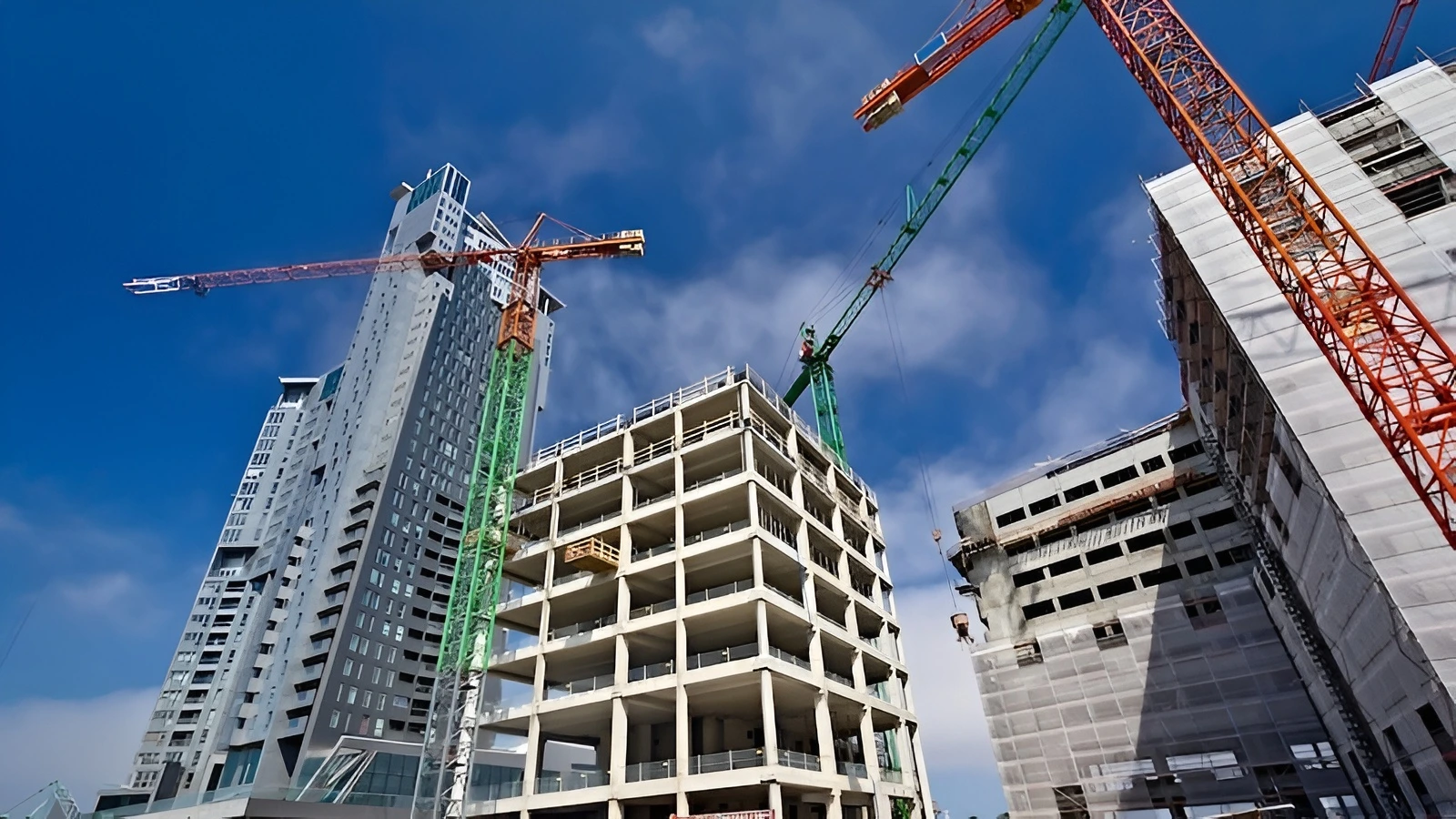
Sattva City Construction Updates and Quality Standards
Sattva City construction quality updates — RCC framed structure, construction timeline, quality control standards, and milestone progress at Doddajala.
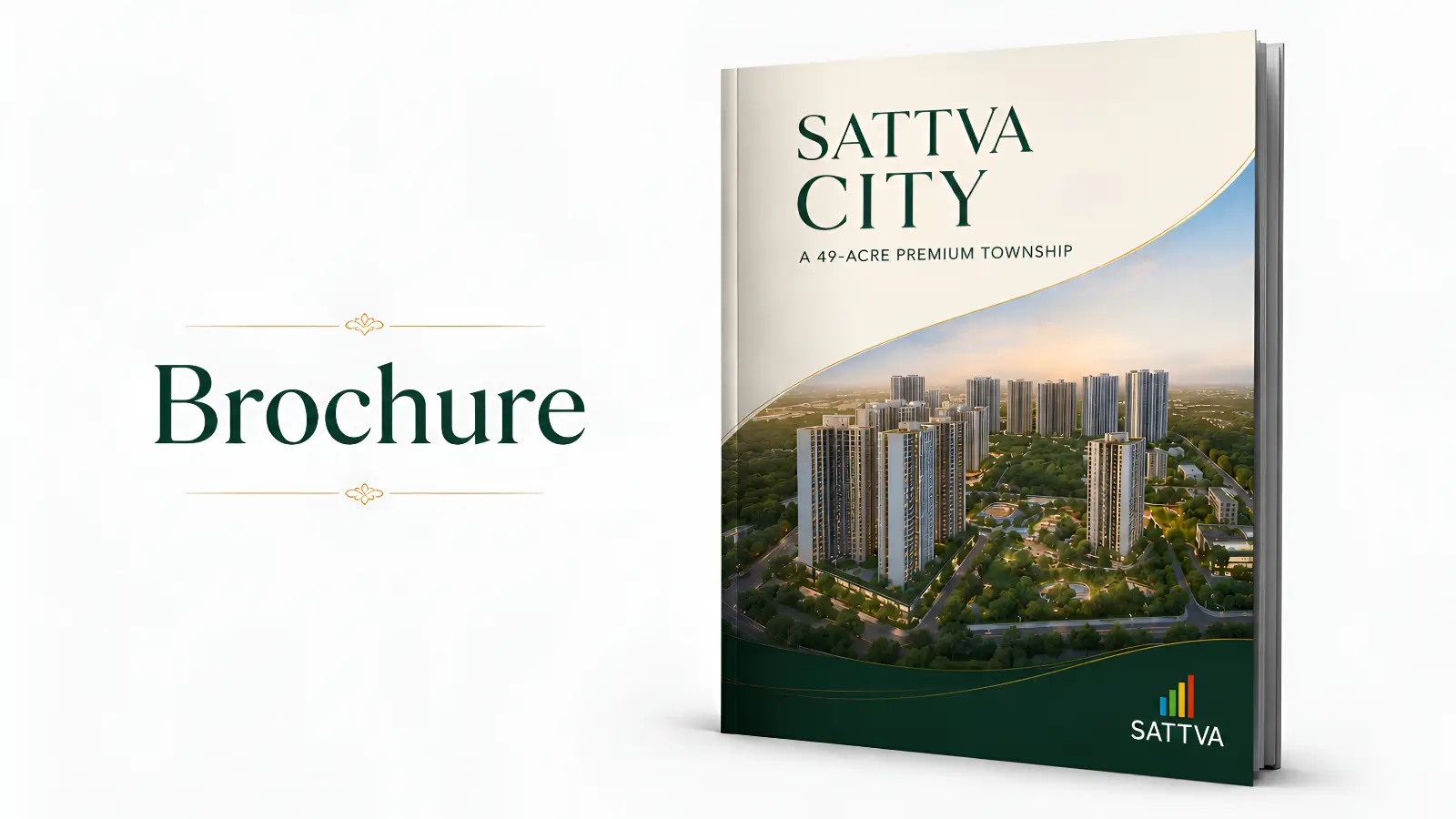
How to Download the Sattva City Brochure and What's Inside
Sattva City brochure download guide — how to access the official brochure, what's inside including master plan, floor plans, amenities, specifications, and pricing details.
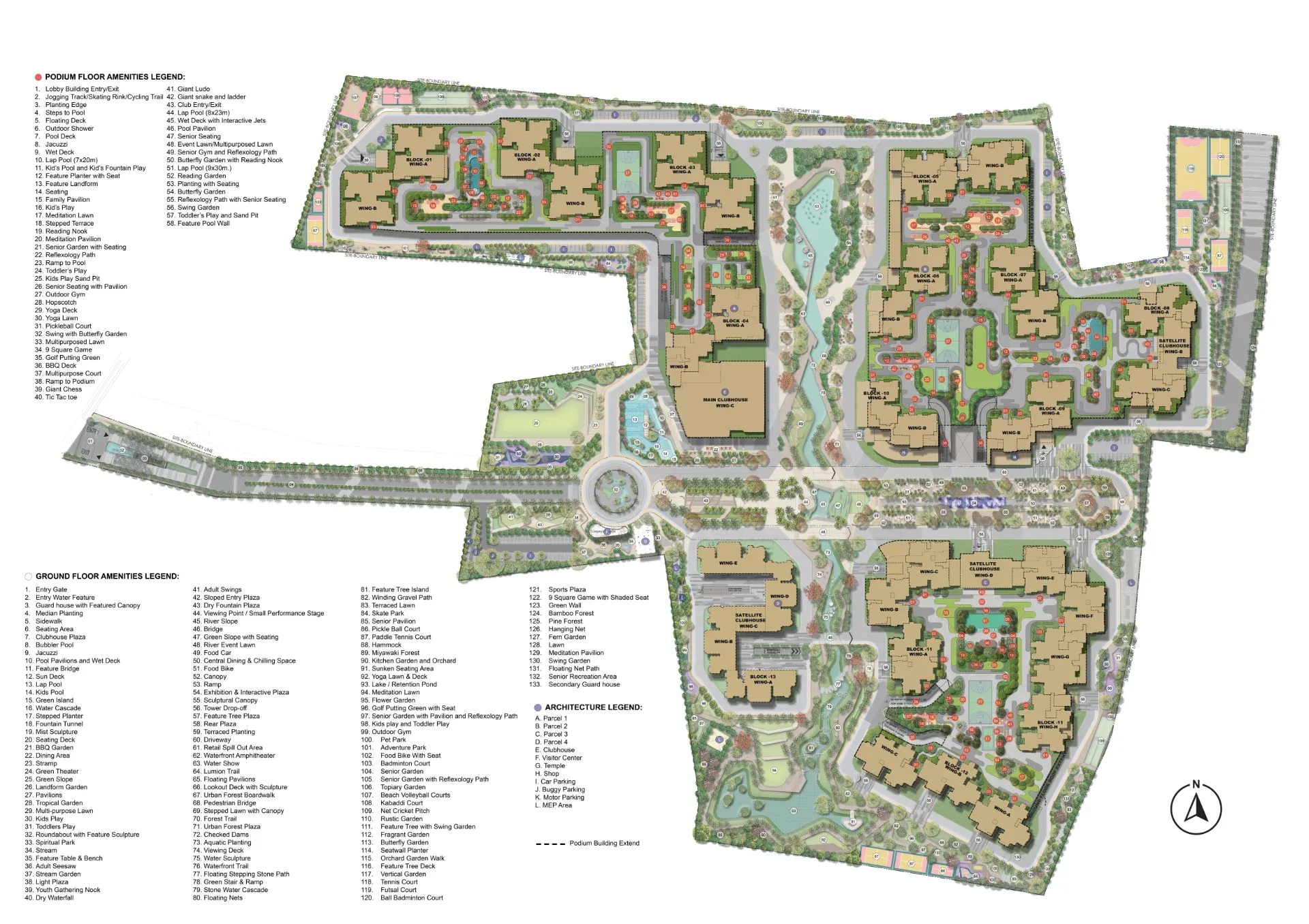
Inside the Sattva City Master Plan: 49 Acres Across 13 Residential Towers
Sattva City masterplan analysis — detailed look at the 49-acre layout, 13-tower configuration, podium planning, and landscape strategy at Doddajala.

When Will Sattva City Launch? Booking Journey and EOI Timeline Explained
Sattva City launch date and EOI booking — pre-launch window, booking journey, EOI benefits, and how to secure your priority in the formal launch queue.