Financial Year-End Investment at Sattva City: Tax and Timing Benefits

Sattva City year end investment tax benefits — Section 24 home loan interest deduction, March property investment, and tax saving home loan structuring.
Sattva City year end investment tax benefits are one of the most quantitatively significant timing considerations for home loan-financed buyers. The Indian tax framework provides meaningful deductions on both home loan interest (Section 24) and principal repayment (Section 80C), and these deductions can be claimed for the assessment year in which the property purchase is executed and EMI payments commence. Year-end timing therefore affects the immediate tax cost-benefit of the purchase.
This blog walks through the Sattva City year end investment tax benefits structure, the specific Section 24 and Section 80C provisions that apply, the timing logic for March-window booking, and how to structure the home loan to maximise tax efficiency over the construction and post-handover periods.
Sattva City Section 24 Home Loan Benefit
The Sattva City Section 24 home loan benefit allows deduction of home loan interest up to INR 2 lakh per year against taxable income for self-occupied property. For let-out property, the entire interest amount is deductible (subject to certain limits on loss set-off). For a Sattva City purchase financed at 80 percent LTV on a INR 2.40 Cr 3 BHK (loan amount INR 1.92 Cr at typical home loan rate), the annual interest payment in the first full year is approximately INR 15 to 17 lakh — meaning the Section 24 limit (INR 2 lakh) is comfortably reached, delivering the full deduction benefit.
Section 80C Principal Repayment Benefit
Section 80C allows deduction of home loan principal repayment up to INR 1.5 lakh per year, along with stamp duty and registration charges paid during the purchase year. For most home loan-financed buyers, the Section 80C limit is often partially or fully consumed by other 80C investments (EPF, PPF, ELSS, life insurance premiums). However, in the purchase year specifically, the stamp duty (5 percent of agreement value) and registration charges (1 percent) can be claimed under 80C — providing a one-time benefit even for buyers whose ongoing 80C is otherwise consumed.
Sattva City March Property Investment Timing
The Sattva City March property investment timing logic rests on the assessment year boundary. The Indian financial year ends March 31, and tax deductions are claimed for the assessment year in which the qualifying expense was incurred. Booking and executing the sale agreement before March 31 allows the buyer to claim Section 80C stamp duty and registration deductions in the current assessment year. Delaying to April pushes these deductions to the following year — not lost, just deferred by a year.
Effective Tax Benefit Math
Calculating the Sattva City year end investment tax benefits in absolute terms for a typical 3 BHK financed buyer:
Component | Annual Deduction | Tax Saved (30% bracket) |
Section 24 interest (self-occupied) | INR 2,00,000 | INR 60,000 |
Section 80C principal (year 1) | INR 1,50,000 | INR 45,000 |
Section 80C stamp duty (year 1) | Already counted above | — |
Year 1 total tax saving | INR 3,50,000 deductions | INR 1,05,000 |
Years 2+ ongoing tax saving | INR 3,50,000 annually | INR 1,05,000 annually |
Sattva City Tax Saving Home Loan Structuring
Practical Sattva City tax saving home loan structuring decisions affect the deduction benefit meaningfully. Choosing a longer loan tenure (20 years vs 15 years) keeps annual interest higher, maximising Section 24 utilisation. Splitting the loan as joint borrowers between spouses doubles the Section 24 limit (each spouse claims up to INR 2 lakh), provided both are co-owners and both pay EMIs. Letting out the property rather than self-occupying changes the Section 24 structure — interest becomes fully deductible against rental income, with any loss set off against other income (subject to INR 2 lakh annual cap).
Construction-Linked Plan Tax Treatment
The Sattva City construction-linked plan creates a specific tax structure during the construction period. Interest paid during construction is accumulated and can be claimed as deduction in five equal installments starting from the year of completion. This is a meaningful structural benefit — buyers do not lose the construction-period interest deduction, they just claim it post-handover. Combined with the ongoing Section 24 limit, this can deliver larger deductions in the post-handover years.
When to Move and When to Wait
The Sattva City year end investment tax benefits timing should accelerate a decision rather than create one. If you are ready to buy and the project fits your criteria, booking before March 31 captures the current-year tax benefits. If you need more diligence time, the same benefits are available in the following year — they are not lost, just deferred. The honest order of priority: project fit first, financial readiness second, tax timing third.
FAQs
What is the Sattva City Section 24 home loan benefit?
Sattva City Section 24 home loan benefit: interest deduction up to INR 2 lakh per year against taxable income for self-occupied property. For let-out property, the full interest is deductible (with certain limits on loss set-off).Should I book Sattva City before March 31 for tax benefits?
Sattva City March property investment timing allows current-year Section 80C deductions on stamp duty and registration. The deductions are not lost if delayed — just deferred by a year. Project fit should be the primary decision driver.How can I structure the Sattva City tax saving home loan?
Sattva City tax saving home loan structuring: choose 20-year tenure to maximise Section 24 utilisation, split as joint loan between co-owner spouses to double the Section 24 limit, and consider letting out vs self-occupying based on overall tax position.
Related Articles

Sattva City Construction Updates and Quality Standards
Sattva City construction quality updates — RCC framed structure, construction timeline, quality control standards, and milestone progress at Doddajala.
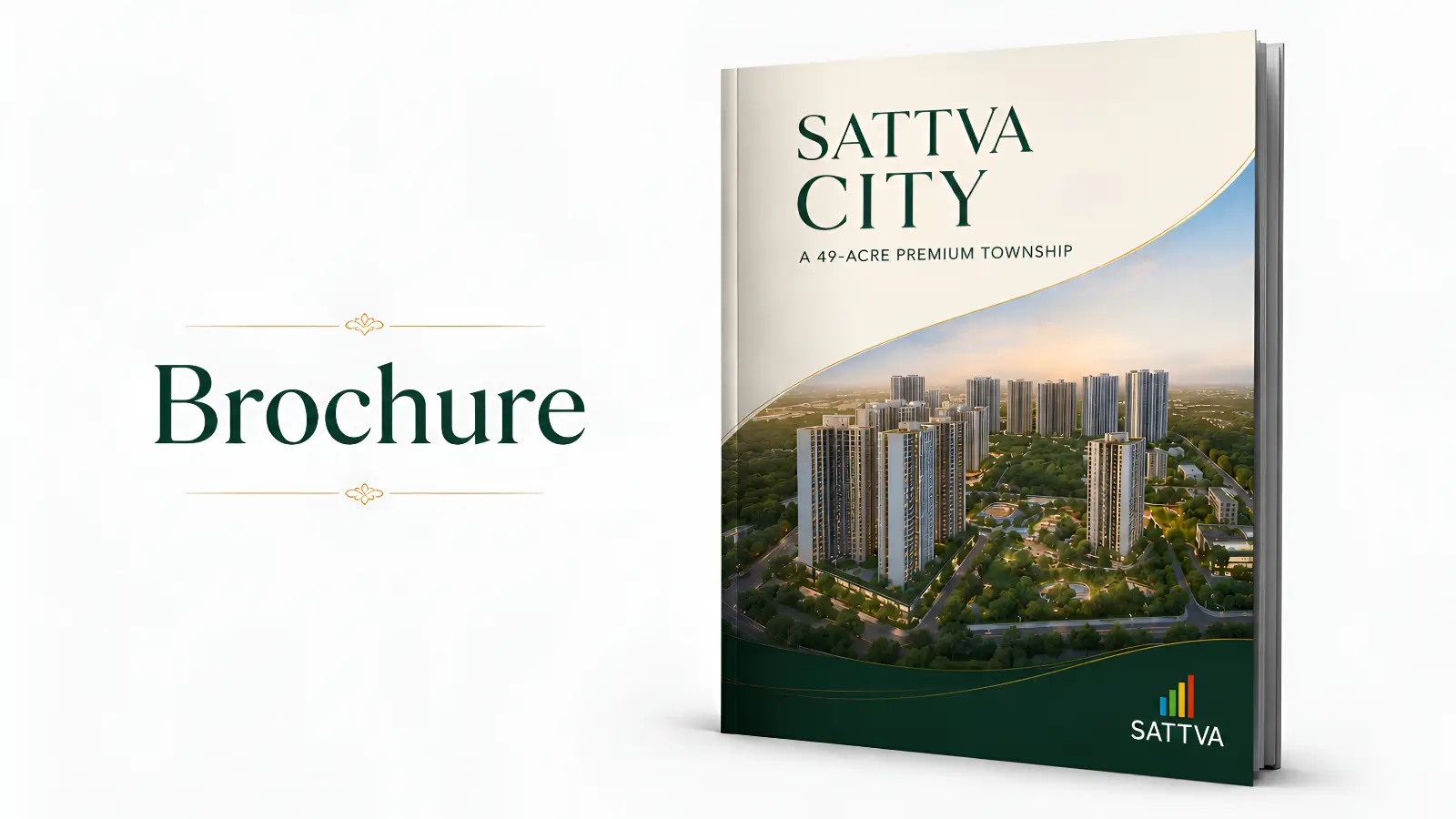
How to Download the Sattva City Brochure and What's Inside
Sattva City brochure download guide — how to access the official brochure, what's inside including master plan, floor plans, amenities, specifications, and pricing details.
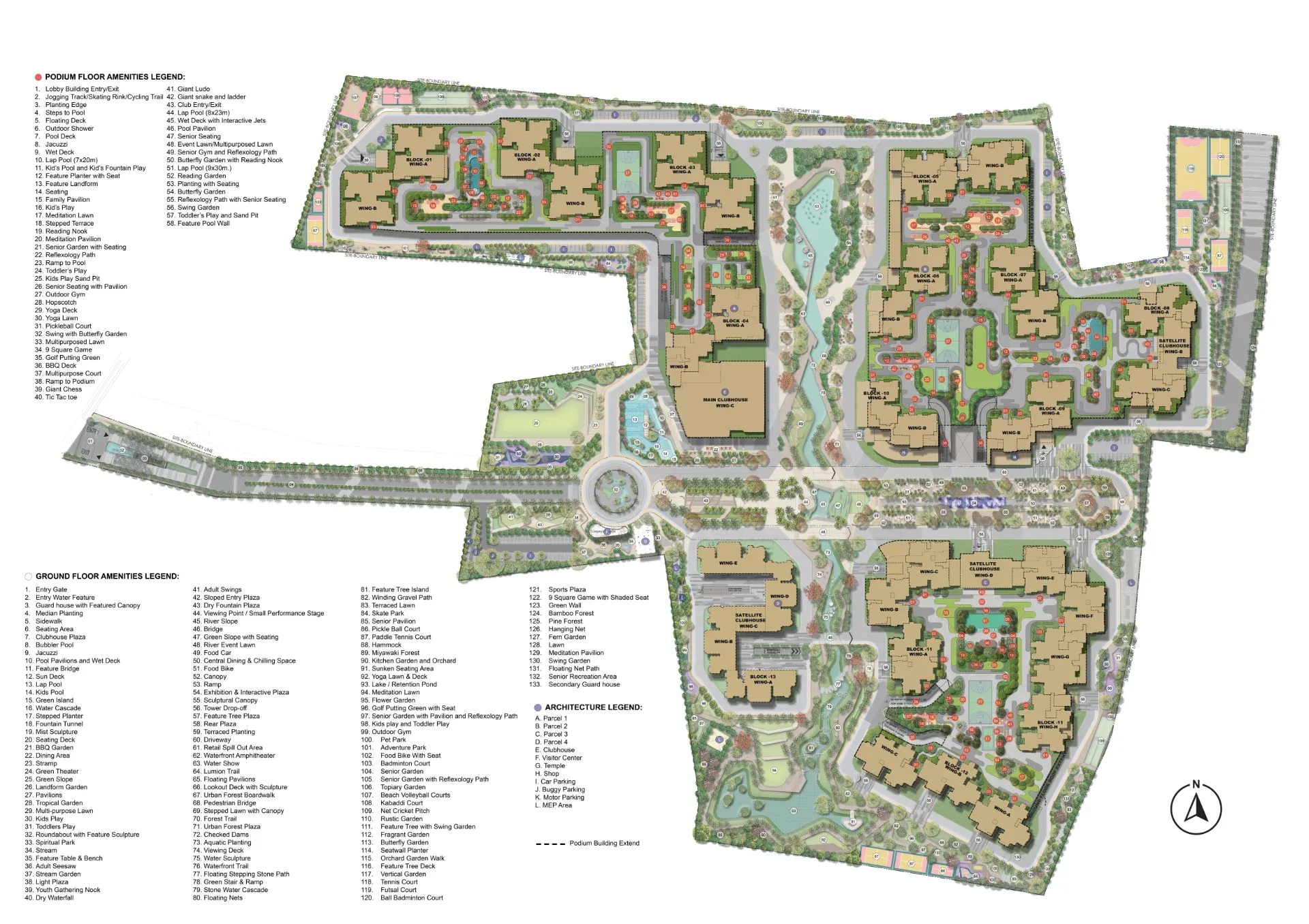
Inside the Sattva City Master Plan: 49 Acres Across 13 Residential Towers
Sattva City masterplan analysis — detailed look at the 49-acre layout, 13-tower configuration, podium planning, and landscape strategy at Doddajala.

When Will Sattva City Launch? Booking Journey and EOI Timeline Explained
Sattva City launch date and EOI booking — pre-launch window, booking journey, EOI benefits, and how to secure your priority in the formal launch queue.