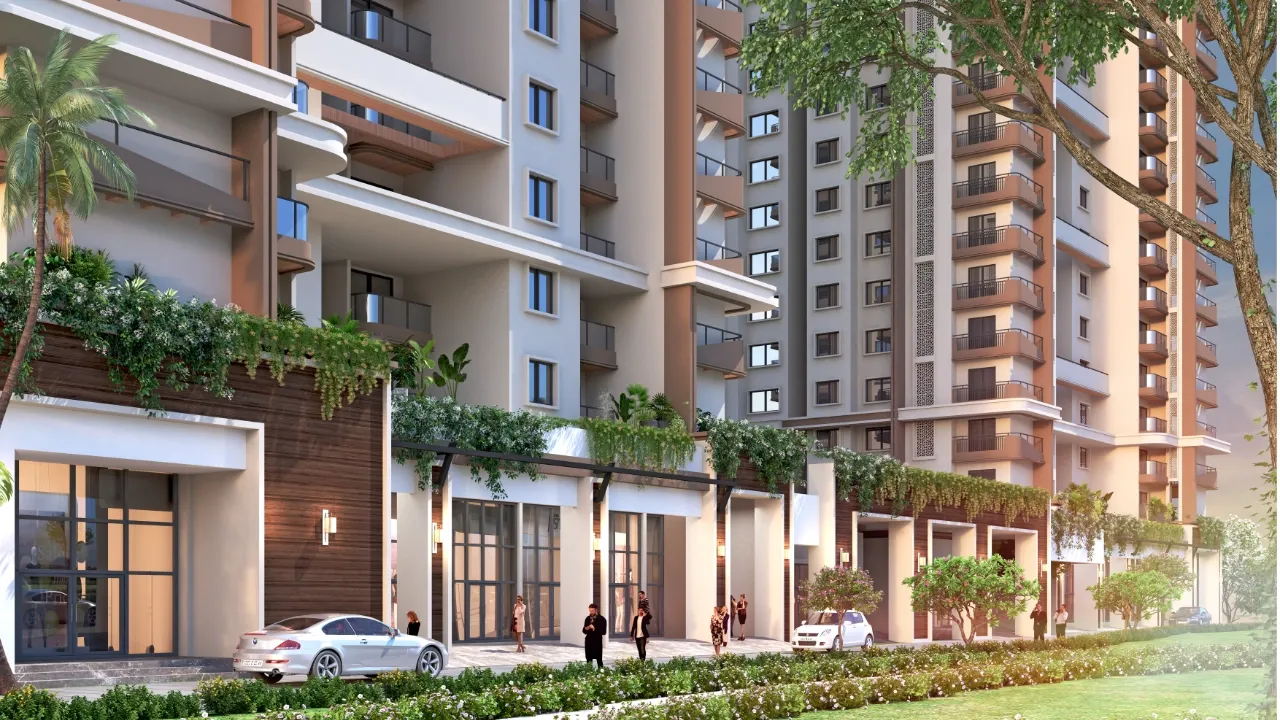
Sattva City upgrade from existing home — selling current property and buying Sattva City together, financial planning, tax implications, and transition logistics.
The Sattva City upgrade from existing home journey is different from the first-time buyer journey on several dimensions. Upgrade buyers typically have to coordinate selling a current property with buying the new one, manage the tax implications of property sale, plan the transition logistics for the family, and structure the financial flows across two simultaneous transactions. This blog walks through the Sattva City upgrade from existing home journey for these specific buyer needs.
Upgrade buyers form a significant share of the Sattva City buyer pool. Whether moving from a mid-segment 2 BHK to a premium 3 BHK or from a premium 3 BHK to a 4 BHK or penthouse, the upgrade journey involves coordination that the first-time buyer journey does not.
The Sattva City Upgrade Buyer Profile
The Sattva City upgrade buyer profile typically falls into three sub-categories. Configuration upgraders — buyers moving from a smaller to larger configuration as family grows or income increases. Neighbourhood upgraders — buyers moving from a less premium location to the airport corridor for lifestyle reasons. Quality upgraders — buyers moving from older inventory to newer premium inventory for amenity and execution differential. Each sub-category has slightly different drivers but the operational journey shares common steps.
Sattva City Home Upgrade Journey
The Sattva City home upgrade journey typically runs across 12 to 18 months from initial decision to actual move. The sequence: decision to upgrade and configuration finalisation (1 to 2 months), Sattva City EOI and site visit (1 to 2 months), formal booking once RERA is verified (2 to 3 months), current property listing and sale agreement (3 to 6 months), funds management during the construction window (overlapping), possession at Sattva City (42 to 48 months from formal booking), transition planning and move (3 to 4 months before possession), and final move.
Sattva City Selling Current Home
Sattva City selling current home logistics deserve careful planning. Timing is critical — selling too early means absorbing rental costs during the Sattva City construction window; selling too late means cash crunch for milestone payments. Pricing should be realistic — premium pricing on the existing home is tempting but extends the sale timeline. Buyer pool should be qualified — verified buyers with home loan pre-approval avoid the deals-falling-through risk. Tax planning matters — capital gains tax management can be optimised through the Section 54 reinvestment provision.
Section 54 Tax Planning
Section 54 of the Income Tax Act allows capital gains from sale of a residential property to be offset against the purchase of a new residential property — provided the new property is purchased within 1 year before or 2 years after the sale (or constructed within 3 years). For Sattva City upgrade buyers, this provision is structurally valuable. The Sattva City booking and construction-linked payments can typically be structured to qualify under Section 54, eliminating long-term capital gains tax on the existing property sale. Consultation with a CA familiar with property capital gains is recommended for precise structuring.
Financial Flow Coordination
Coordinating the financial flows across the upgrade journey requires careful planning. During the Sattva City construction window, the upgrade buyer is typically paying milestone payments on the new property while continuing to own (and possibly live in) the existing property. Cash flow management options include: timing the existing property sale to align with milestone payment requirements, using a home loan against the new property to bridge the funding gap, drawing on existing financial assets temporarily, or arranging a bridge loan from a lender. Each option has different cost and risk implications.
Transition Logistics for the Family
Beyond financial flows, the family transition logistics deserve early planning. School transitions for children should align with the academic year (April-June admission cycle typically). Furniture and household goods sorting — what to move, what to sell, what to donate. New address registration for utilities, banking, postal mail. Membership transitions (clubs, society memberships). Healthcare provider transitions if changing location significantly. Planning these logistics 6 to 9 months before move reduces the move-week stress significantly.
The Sattva City Upgrade Buyer Decision Framework
Practical decision framework for Sattva City upgrade buyers: confirm the upgrade rationale clearly (configuration, neighbourhood, or quality reasons), assess the financial coordination requirements (sale timing, cash flow, tax planning), evaluate the family transition logistics (school, work, healthcare), and plan a realistic 12 to 18 month timeline rather than rushing the journey. The upgrade decision is consequential and deserves the time to execute well rather than rushing for any artificial deadline.
FAQs
How do I upgrade to Sattva City from my existing home?
Sattva City upgrade from existing home: 12 to 18 month journey covering decision, EOI, RERA verification, formal booking, current property sale, milestone payments management, possession, family transition planning, and move execution.What is the Sattva City upgrade buyer profile?
Sattva City upgrade buyer falls into three sub-categories — configuration upgraders (family growth, income increase), neighbourhood upgraders (airport corridor lifestyle), and quality upgraders (older inventory to newer premium).How do I manage selling my current home and buying Sattva City together?
Sattva City selling current home logistics: time the sale carefully (avoid too early or too late), price realistically, qualify the buyer pool, and plan Section 54 capital gains tax management with a qualified CA.
Related Articles
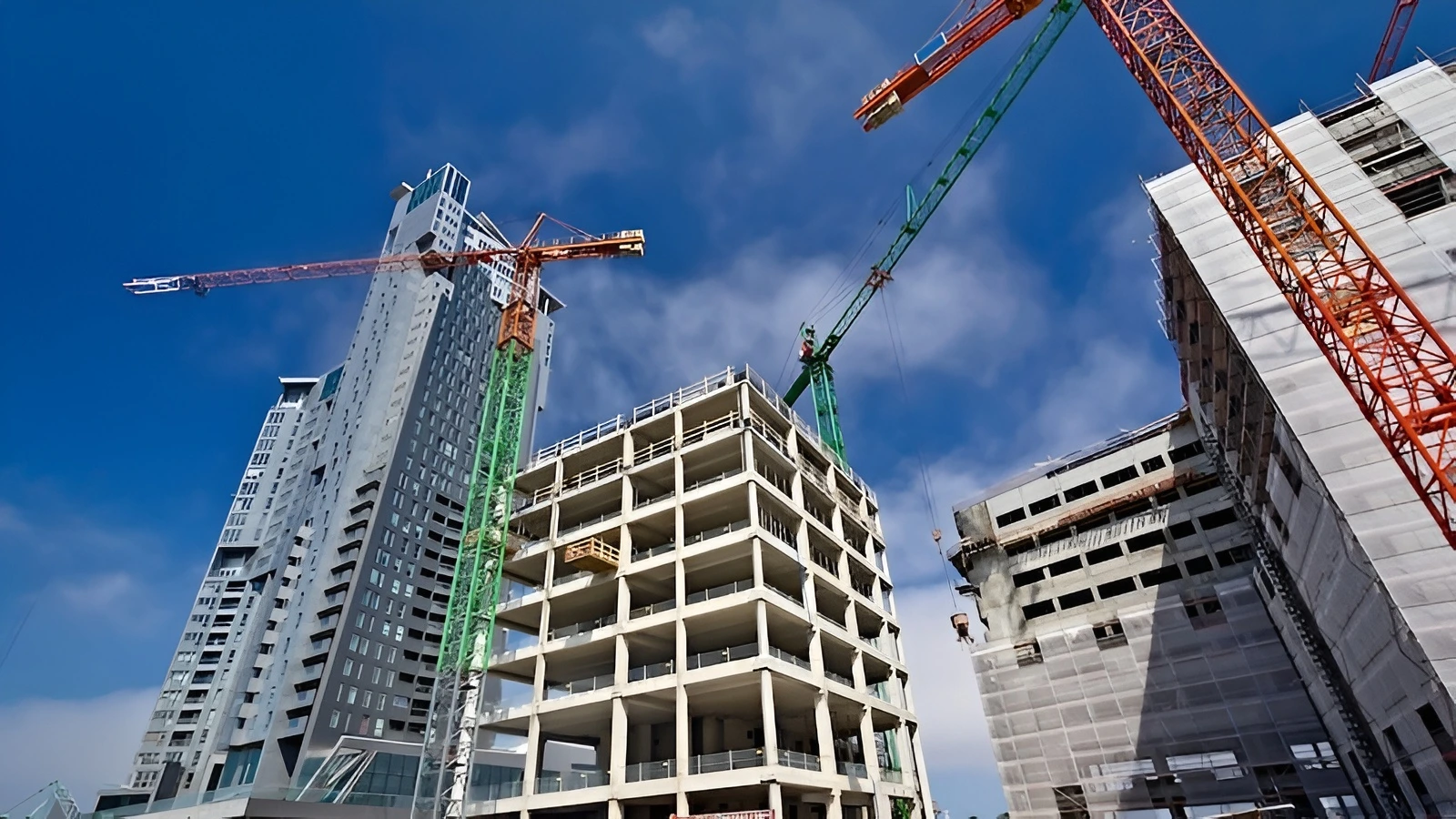
Sattva City Construction Updates and Quality Standards
Sattva City construction quality updates — RCC framed structure, construction timeline, quality control standards, and milestone progress at Doddajala.
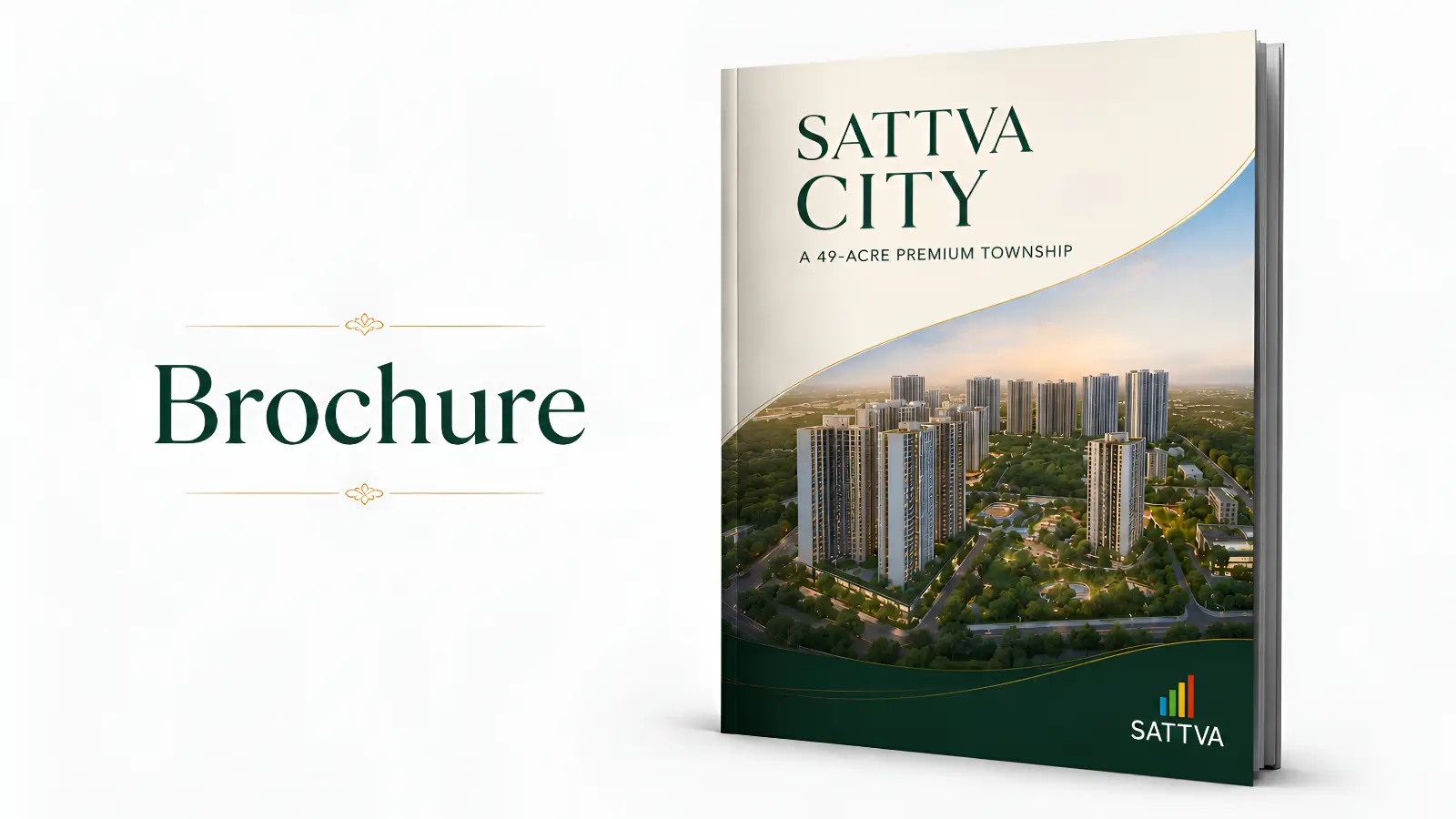
How to Download the Sattva City Brochure and What's Inside
Sattva City brochure download guide — how to access the official brochure, what's inside including master plan, floor plans, amenities, specifications, and pricing details.
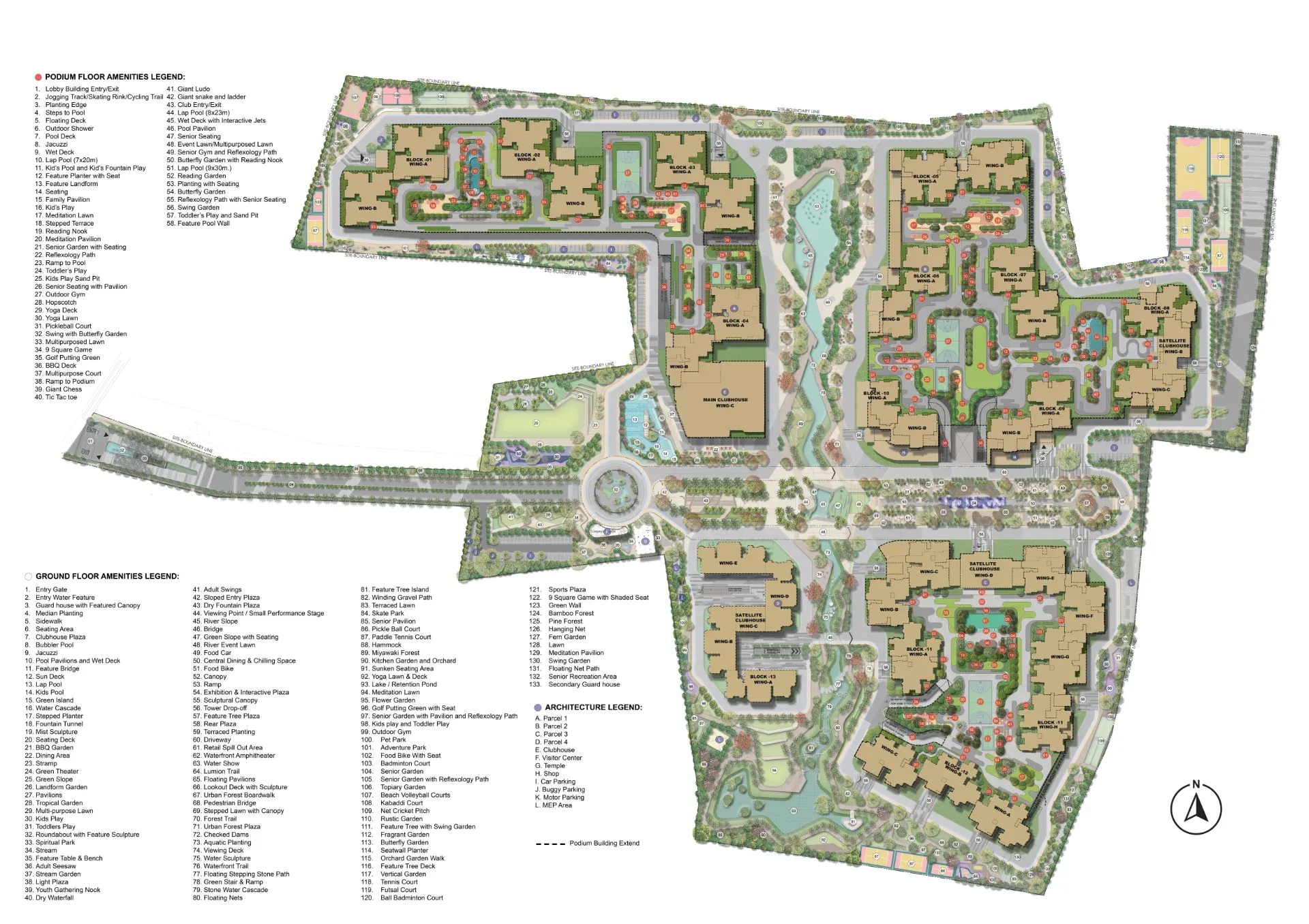
Inside the Sattva City Master Plan: 49 Acres Across 13 Residential Towers
Sattva City masterplan analysis — detailed look at the 49-acre layout, 13-tower configuration, podium planning, and landscape strategy at Doddajala.

When Will Sattva City Launch? Booking Journey and EOI Timeline Explained
Sattva City launch date and EOI booking — pre-launch window, booking journey, EOI benefits, and how to secure your priority in the formal launch queue.