KIADB Aerospace SEZ and Its Impact on Sattva City Apartment Demand
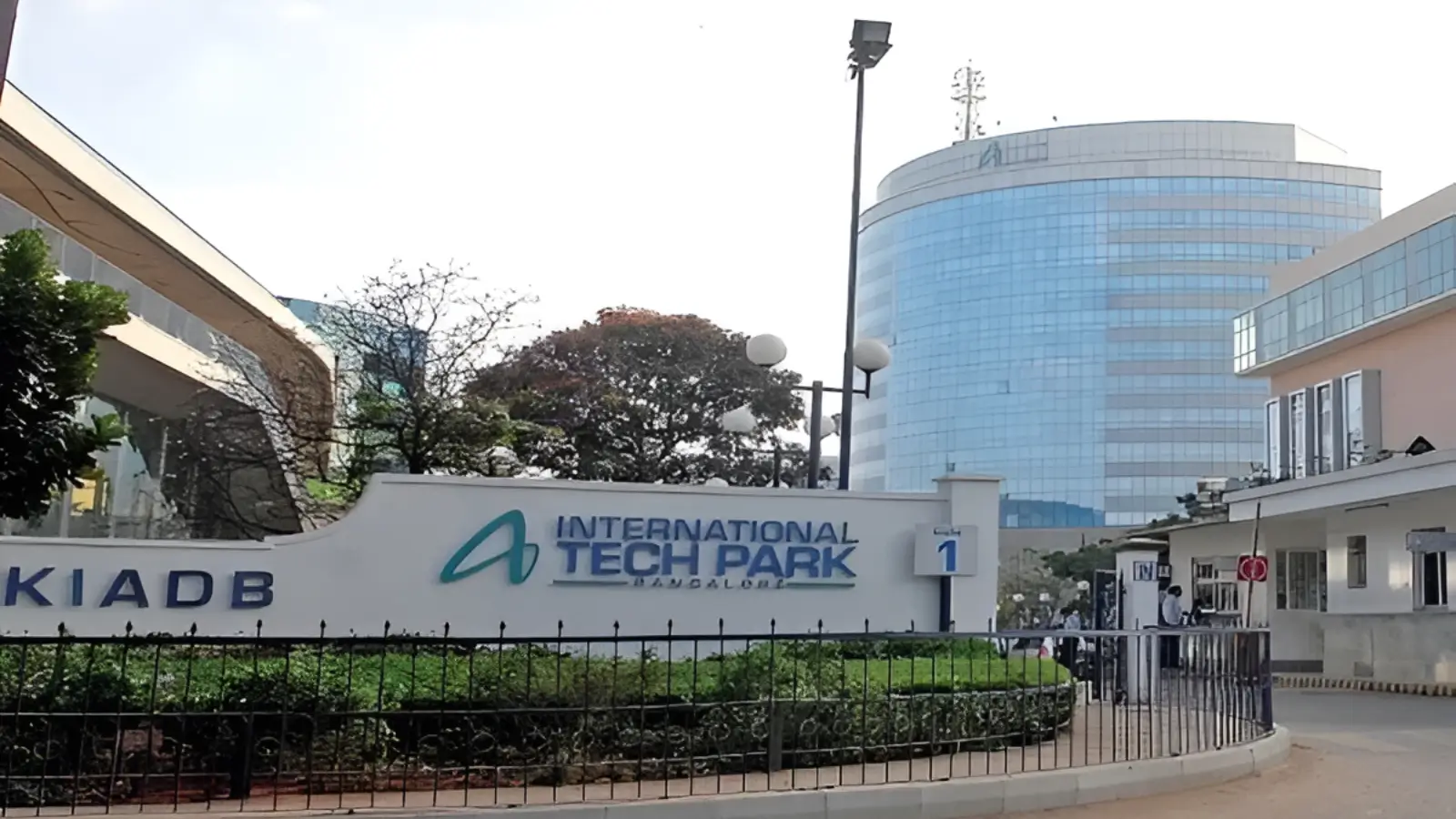
Sattva City KIADB Aerospace SEZ impact — aerospace corridor demand, SEZ employee housing, industrial growth, and Doddajala apartment absorption.
The Sattva City KIADB Aerospace SEZ impact is one of the most underappreciated drivers of the project's investment thesis. KIADB Aerospace SEZ, at 10 km from Sattva City, is one of India's largest dedicated aerospace and defence industrial clusters — and the workforce employed there forms a structural, growing demand base for premium residential supply in the 10 to 15 km radius.
This blog walks through what the Sattva City KIADB Aerospace SEZ impact actually means in practice — the workforce composition, the growth trajectory, the housing demand patterns, and how this translates into measurable demand for Sattva City apartments specifically.
Understanding the KIADB Aerospace SEZ
KIADB Aerospace SEZ hosts aerospace component manufacturing, MRO facilities, aerospace services, and supporting industries. Tenants include global aerospace OEMs, tier-1 suppliers, and Indian aerospace majors. The workforce is structurally senior — aerospace engineering, manufacturing process leadership, supply chain management, and the supporting corporate functions all skew toward experienced professionals with the income levels to underwrite premium housing demand.
Sattva City Aerospace Corridor Demand
The Sattva City aerospace corridor demand base breaks down across several profile categories. Aerospace engineers (typical income range INR 18 to 45 lakh annually) form the largest single cohort — these drive residential demand at the 2 BHK to 3 BHK configuration tier. Senior manufacturing and operations leadership (INR 35 to 80 lakh annually) drive demand at the 3 BHK to 4 BHK tier. Executive leadership at the OEM and tier-1 level (INR 80 lakh plus equity annually) drives demand at the 4 BHK and penthouse tier. Sattva City's configuration spread from 2 BHK through penthouse maps directly onto this aerospace corridor demand structure.
Sattva City SEZ Employee Housing Patterns
The Sattva City SEZ employee housing demand is structurally different from generic IT-corridor housing demand on three dimensions. First, aerospace employees tend to take longer-term housing decisions — they are not transient project-based workforce but stable career-track professionals. Second, the SEZ employee cohort prioritises commute time more than amenity premium, which suits Sattva City's 10 km positioning to the SEZ entrance. Third, the spousal employment within the same aerospace ecosystem creates dual-income households with proportionally higher housing budgets.
Sattva City Doddajala Industrial Growth
The Sattva City Doddajala industrial growth pipeline extends beyond the existing SEZ. Phase 2 expansion at KIADB Aerospace SEZ adds significant additional capacity for new tenants. Adjacent aerospace and defence industrial development at Devanahalli and along the airport corridor adds further industrial density. The overall aerospace and defence employment cluster in the Doddajala-Devanahalli belt is one of the few sectors in India with structural growth tailwinds — defence indigenisation, aerospace MRO localisation, and component manufacturing for global supply chains all drive sustained hiring.
Demand Absorption Pattern
Aerospace cluster residential demand absorbs differently from IT cluster demand. IT hiring follows quarterly business cycles and can be cyclical; aerospace hiring is more programmatic and follows long-term defence and OEM order books. This means aerospace-cluster demand for residential supply tends to be smoother and more predictable, supporting steadier rental absorption and lower vacancy risk for the Sattva City SEZ employee housing inventory.
How This Translates to Sattva City Specifically
The Sattva City KIADB Aerospace SEZ impact translates into project-level outcomes on three dimensions. First, faster pre-launch and launch absorption — the SEZ workforce knows the corridor, recognises Sattva Group, and has the financial capacity to commit at the EOI stage. Second, deeper rental tenant pool — once handover occurs, the SEZ workforce provides a stable, premium-paying tenant base for portfolio investors. Third, structural capital appreciation support — as the aerospace cluster grows over the next 5 to 10 years, the residential demand it generates underwrites continued repricing of corridor inventory.
FAQs
How does the KIADB Aerospace SEZ affect Sattva City?
Sattva City KIADB Aerospace SEZ impact: the SEZ at 10 km hosts aerospace component manufacturing, MRO, and services. Its workforce of senior engineers, manufacturing leadership, and executive leadership forms a structural, growing residential demand base.What is the Sattva City SEZ employee housing demand profile?
Sattva City SEZ employee housing demand is stable, premium-paying, prioritises commute over amenity premium, and skews toward dual-income households with longer-term housing decisions.Is the aerospace corridor a structural demand driver?
Yes. Sattva City aerospace corridor demand is supported by India's structural tailwinds in defence indigenisation, aerospace MRO localisation, and component manufacturing for global supply chains.
Related Articles
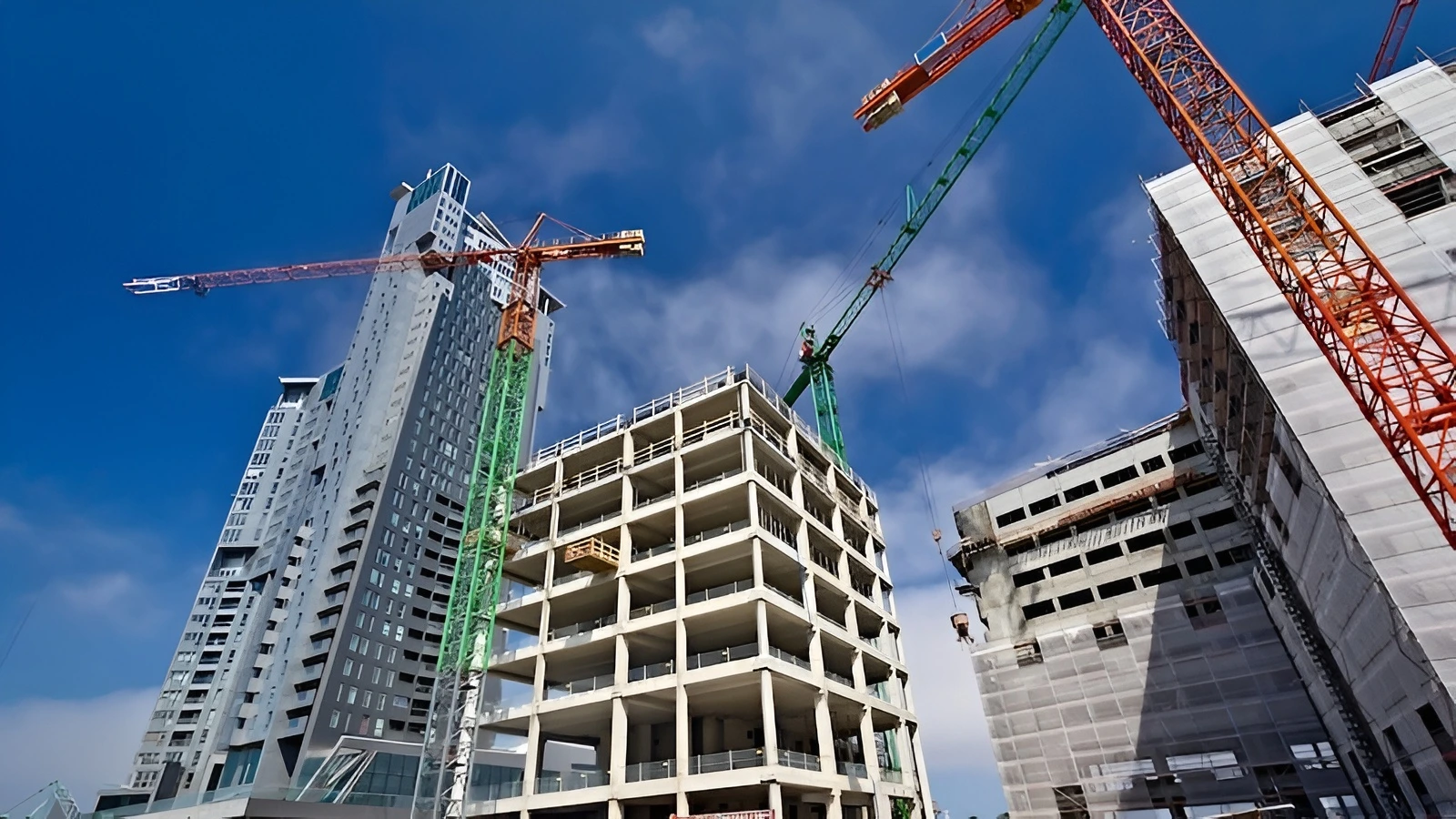
Sattva City Construction Updates and Quality Standards
Sattva City construction quality updates — RCC framed structure, construction timeline, quality control standards, and milestone progress at Doddajala.
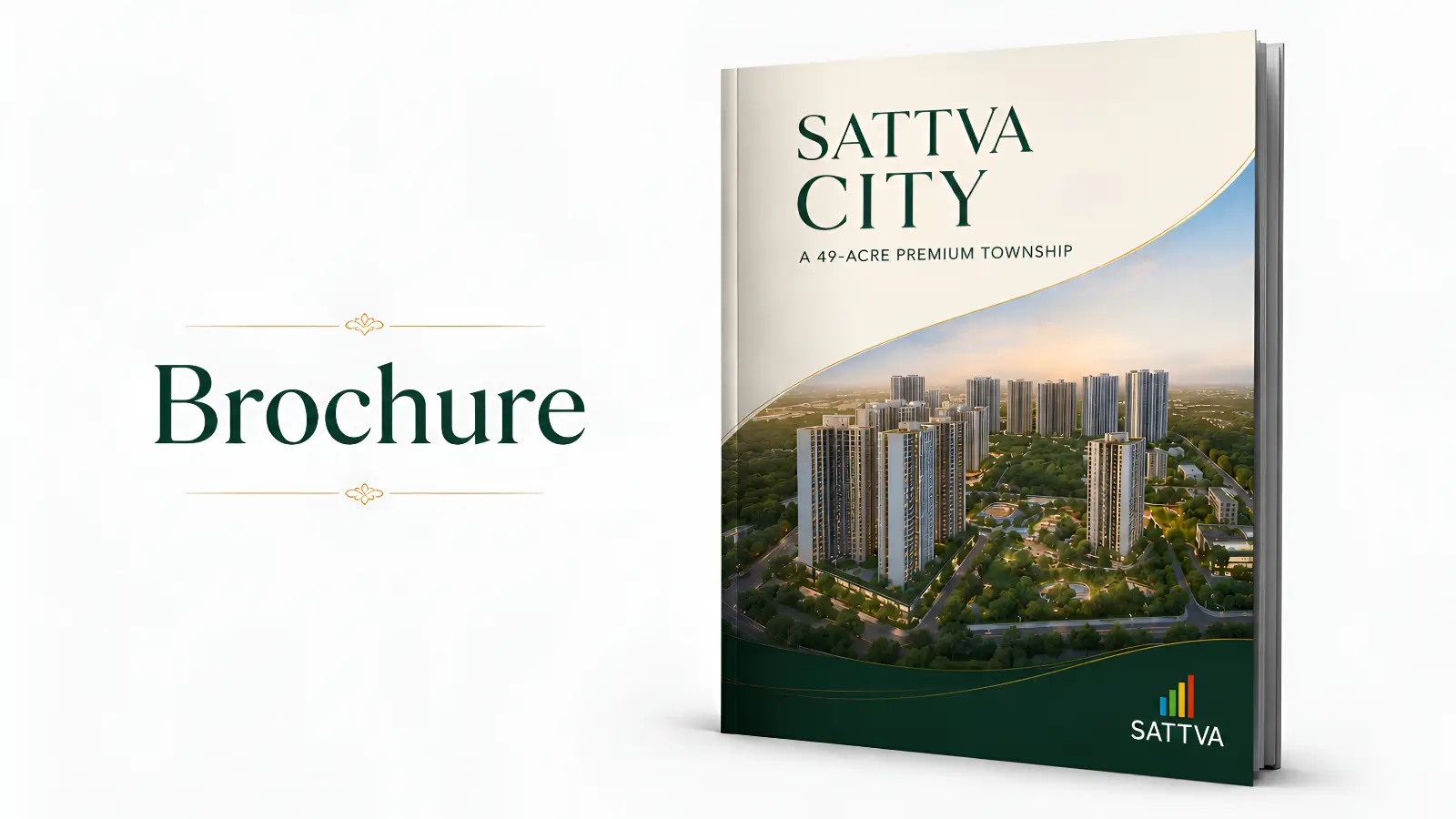
How to Download the Sattva City Brochure and What's Inside
Sattva City brochure download guide — how to access the official brochure, what's inside including master plan, floor plans, amenities, specifications, and pricing details.
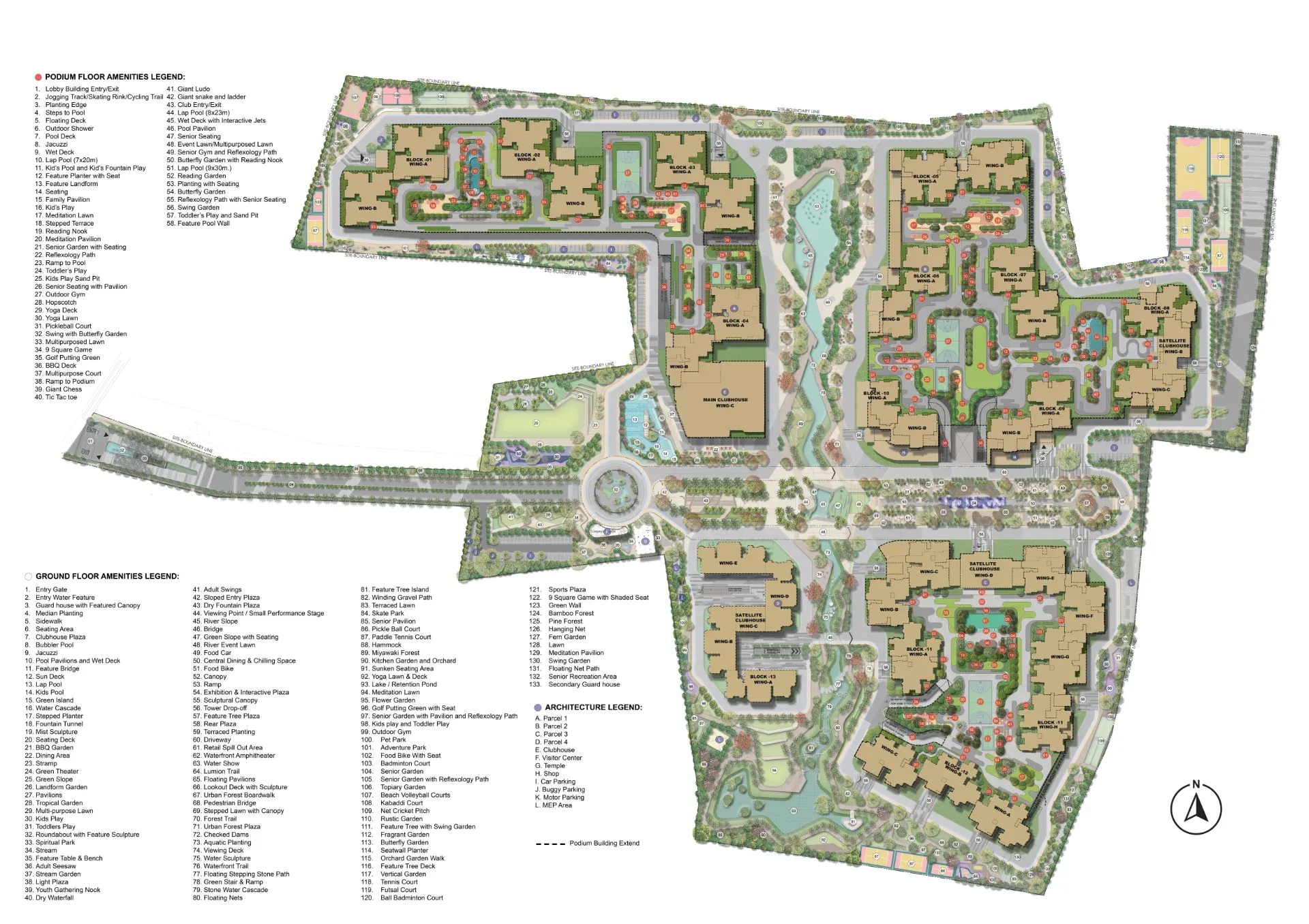
Inside the Sattva City Master Plan: 49 Acres Across 13 Residential Towers
Sattva City masterplan analysis — detailed look at the 49-acre layout, 13-tower configuration, podium planning, and landscape strategy at Doddajala.

When Will Sattva City Launch? Booking Journey and EOI Timeline Explained
Sattva City launch date and EOI booking — pre-launch window, booking journey, EOI benefits, and how to secure your priority in the formal launch queue.