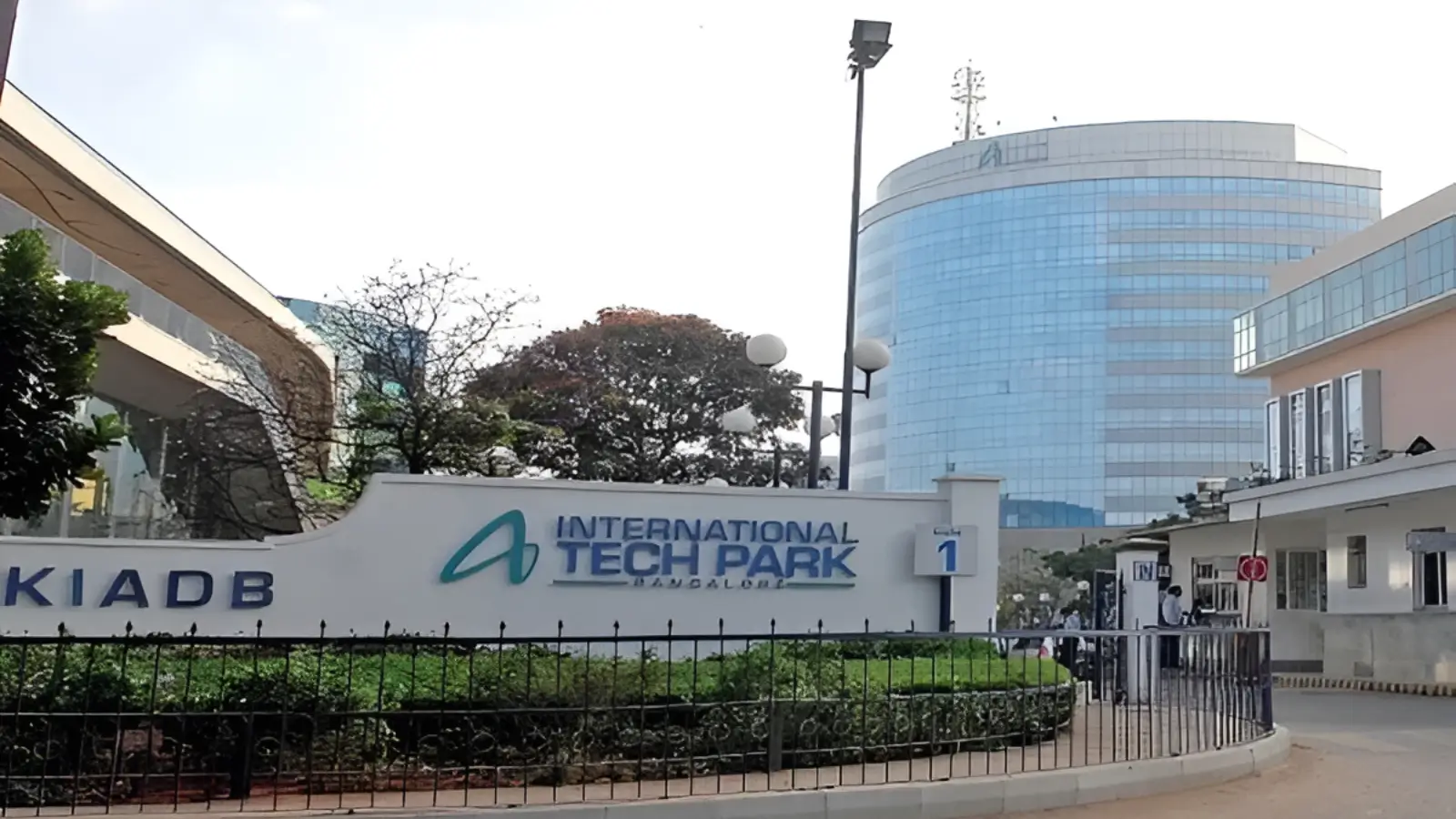
Sattva City KIADB Aerospace SEZ demand — aerospace industrial growth, premium employer demand, SEZ-driven absorption, and corridor employment story.
The Sattva City KIADB Aerospace SEZ demand story is one of the most underappreciated structural drivers of the project demand thesis. KIADB Aerospace SEZ, at 10 km from Sattva City, is one of India largest dedicated aerospace and defence industrial clusters. The workforce composition, hiring trajectory, and compensation structure of the SEZ-employed professionals create a distinctive premium residential demand pool that maps closely onto Sattva City inventory.
This blog walks through the Sattva City KIADB Aerospace SEZ demand story in detail — the aerospace industrial growth cycle that drives SEZ hiring, the buyer profiles that emerge from the SEZ workforce, and how the SEZ demand absorbs into specific Sattva City configurations.
Sattva City Aerospace Industrial Growth
The Sattva City aerospace industrial growth context is critical. Aerospace is one of the few industrial sectors in India with structural competitive position and sustained growth. Three drivers support this. First, defence indigenisation — India's commitment to building domestic aerospace and defence capability has driven sustained order books for HAL, BEL, and the broader aerospace tier-1 supplier base. Second, global aerospace MRO localisation — global aerospace OEMs are shifting MRO operations to India, with Bengaluru as a primary landing zone. Third, component manufacturing for global supply chains — global aerospace OEMs source increasingly from Indian tier-1 and tier-2 suppliers.
Sattva City Premium Employer Demand
The Sattva City premium employer demand from KIADB SEZ tenants spans multiple workforce categories. Aerospace engineers across design, manufacturing, and test functions. Senior manufacturing and operations leadership. Supply chain and program management leadership. Corporate functions (finance, HR, IT, legal) supporting the operational core. R&D and innovation roles for the design and development tenants. Executive leadership at the OEM and tier-1 level. Each of these workforce categories maps onto specific Sattva City configurations and the cumulative demand supports the township-scale absorption.
Sattva City SEZ Buyer Base Composition
The Sattva City SEZ buyer base composition is structurally different from generic IT-cluster demand. Aerospace employees tend to take longer career horizons at their employers, supporting longer-term housing decisions rather than short-term moves. The compensation distribution is closer to corporate manufacturing standards than to IT industry standards — meaning income stability is high but hyper-growth income trajectory is more measured. Family structures tend toward stability — older average age, more multi-generational households, more dual-income aerospace-couples where both spouses work in the corridor cluster.
Demand Absorption Pattern
Aerospace cluster residential demand absorbs differently from IT cluster demand. IT hiring follows quarterly business cycles and can be cyclical; aerospace hiring is more programmatic and follows long-term defence and OEM order books. This means aerospace-cluster demand for Sattva City supply tends to be smoother and more predictable, supporting steadier absorption at launch and post-launch rather than concentrated bursts followed by quiet periods. For developers, this absorption pattern is operationally preferable — and supports the township-scale launch model that Sattva City represents.
Configuration Mapping
Sattva City KIADB Aerospace SEZ demand maps onto Sattva City configurations with reasonable specificity:
Aerospace Workforce | Likely Configuration | Reasoning |
Engineers (mid-career) | 2 BHK / 3 BHK | Family stage, budget fit |
Senior Engineers / Managers | 3 BHK / 3.5 BHK | Growing family, multi-room workflow |
Director / Senior Director | 3.5 BHK / 4 BHK | Multi-generational household, hosting |
VP / Senior Leadership | 4 BHK / Penthouse | Legacy residence, entertaining |
SEZ Growth Pipeline
The Sattva City aerospace industrial growth pipeline extends beyond the existing SEZ. Phase 2 expansion at KIADB Aerospace SEZ adds significant additional capacity for new tenants. Adjacent aerospace and defence industrial development at Devanahalli adds further density. The overall aerospace and defence employment cluster in the Doddajala-Devanahalli belt is positioned to continue expanding over the next 5 to 10 years — providing sustained Sattva City KIADB Aerospace SEZ demand support across the Sattva City construction and post-handover cycle.
FAQs
How does KIADB Aerospace SEZ drive Sattva City demand?
Sattva City KIADB Aerospace SEZ demand: the SEZ at 10 km from Sattva City hosts aerospace tenants whose workforce — engineers, leadership, executives — forms a structural premium residential demand base for the project.What is the Sattva City aerospace industrial growth context?
Sattva City aerospace industrial growth rests on defence indigenisation, global aerospace MRO localisation in India, and component manufacturing for global aerospace supply chains — all driving sustained aerospace hiring in the Bengaluru corridor.What is the Sattva City SEZ buyer base composition?
Sattva City SEZ buyer base is structurally stable — longer career horizons, predictable compensation distribution, dual-income aerospace couples, and multi-generational household preferences that support township-scale residential demand.
Related Articles
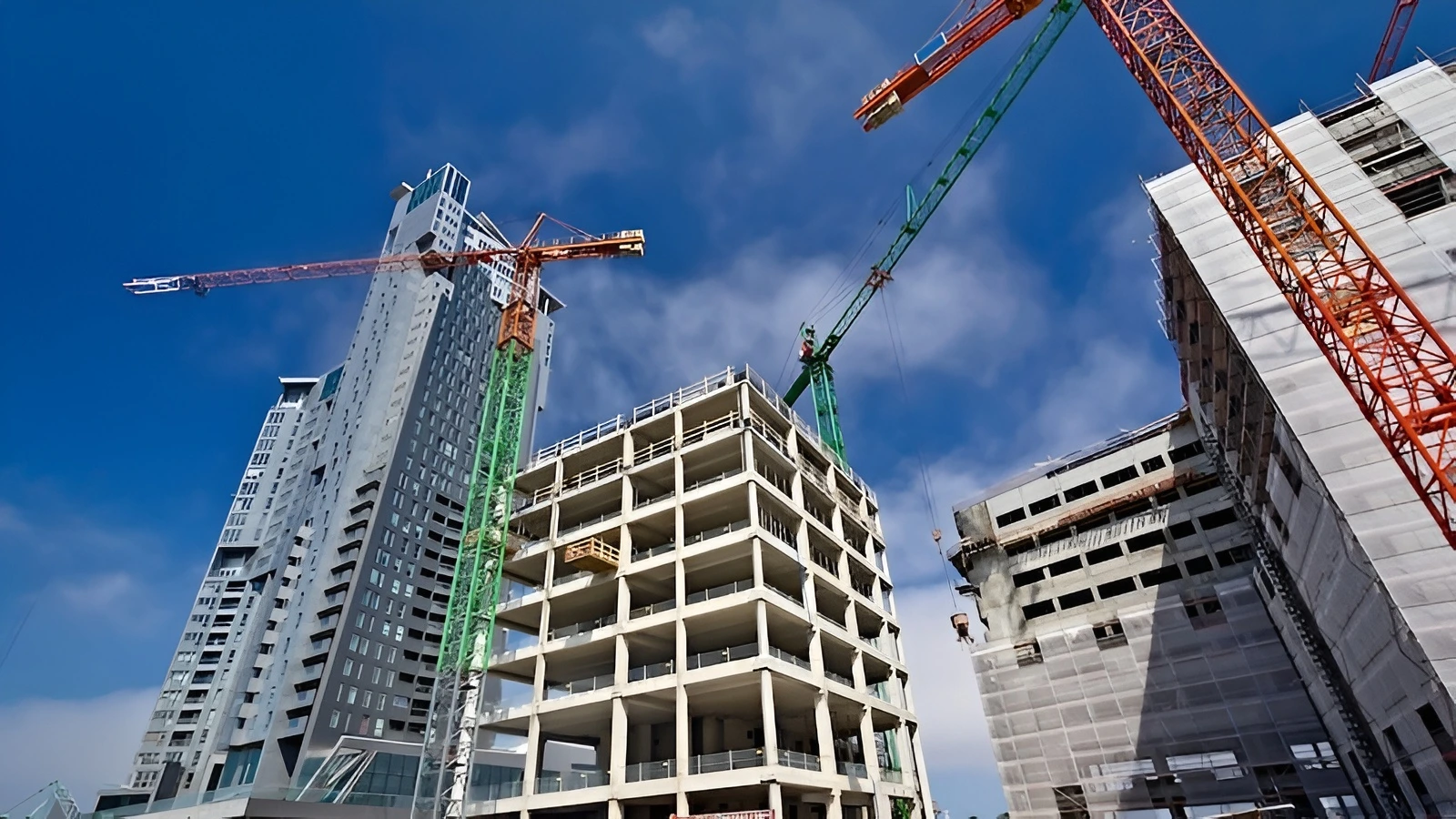
Sattva City Construction Updates and Quality Standards
Sattva City construction quality updates — RCC framed structure, construction timeline, quality control standards, and milestone progress at Doddajala.
How to Download the Sattva City Brochure and What's Inside
Sattva City brochure download guide — how to access the official brochure, what's inside including master plan, floor plans, amenities, specifications, and pricing details.
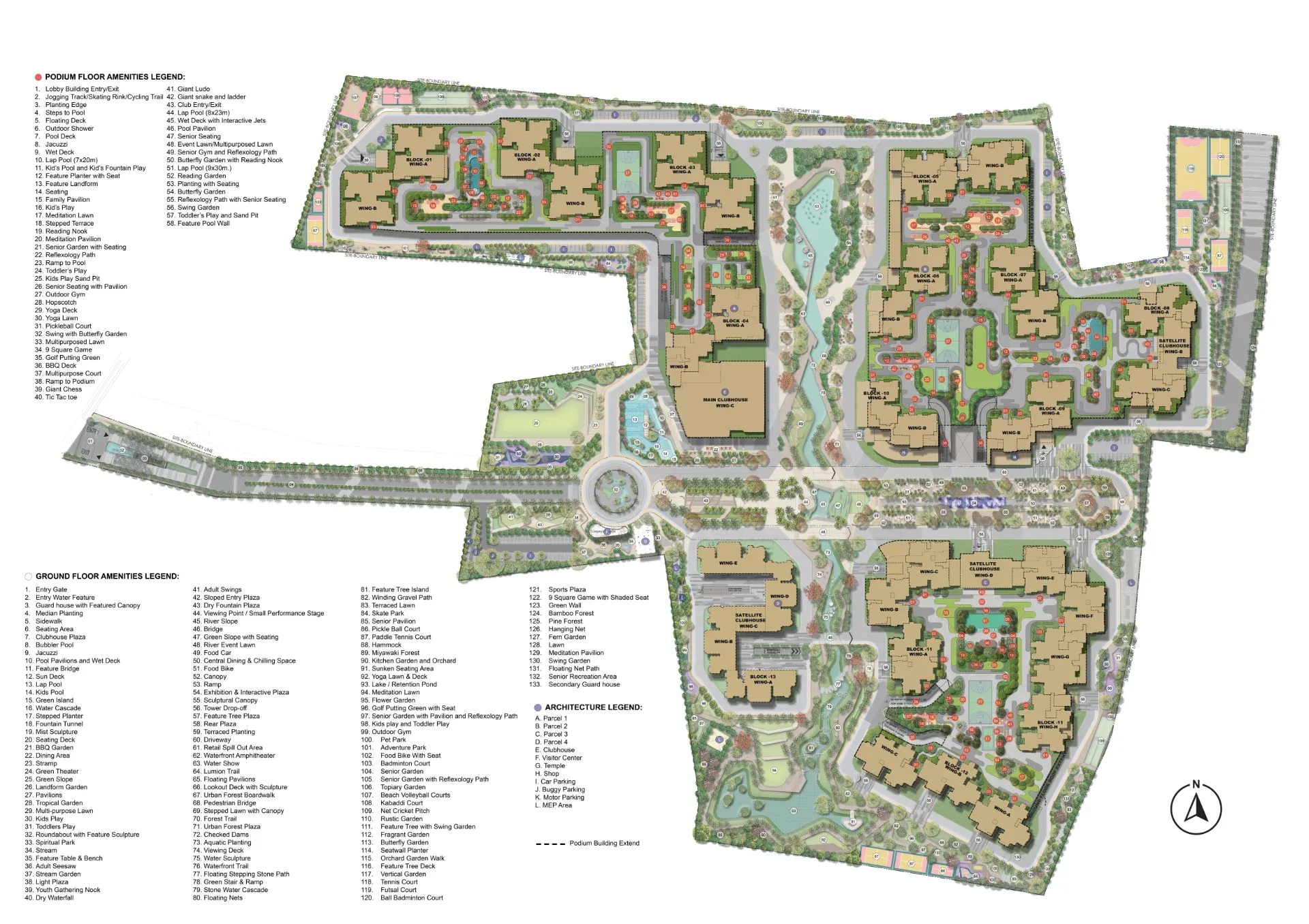
Inside the Sattva City Master Plan: 49 Acres Across 13 Residential Towers
Sattva City masterplan analysis — detailed look at the 49-acre layout, 13-tower configuration, podium planning, and landscape strategy at Doddajala.

When Will Sattva City Launch? Booking Journey and EOI Timeline Explained
Sattva City launch date and EOI booking — pre-launch window, booking journey, EOI benefits, and how to secure your priority in the formal launch queue.