How the Airport Corridor Is Driving Sattva City's Investment Story
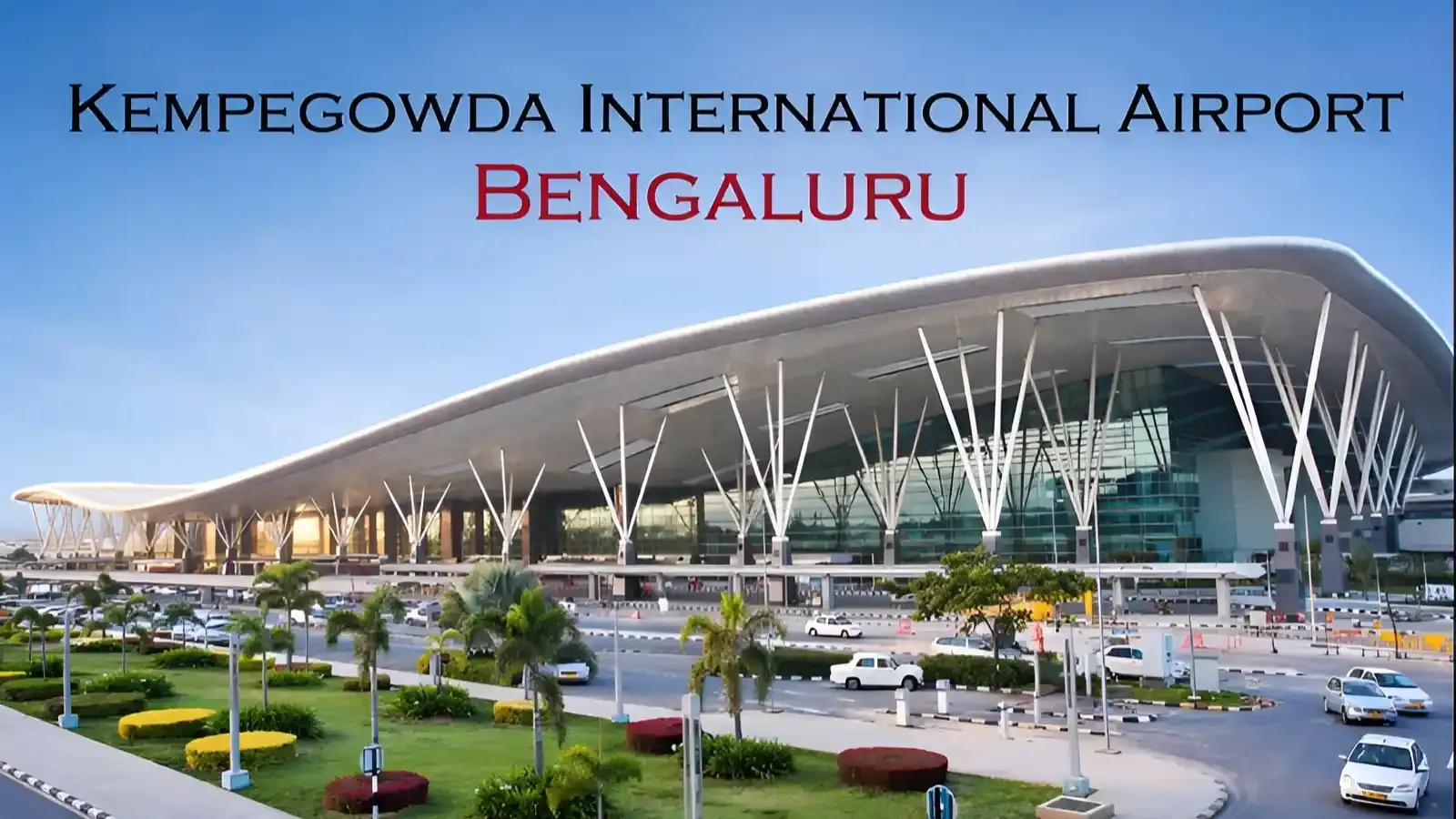
Sattva City airport corridor investment — KIAL passenger growth, aerospace SEZ expansion, and the demand drivers reshaping Doddajala property values.
The Sattva City airport corridor investment thesis is built on a structural shift in how Bengaluru's economic geography is evolving. The airport corridor — the broad NH-44 belt running from Hebbal northward through Yelahanka, Doddajala, and Devanahalli — has shifted from being a peripheral satellite zone to being one of the city's most economically important sub-regions over the past decade. This shift is the macro foundation of the Sattva City airport corridor investment story.
This blog walks through the structural forces driving the Sattva City airport corridor investment thesis — passenger and cargo growth at KIAL, aerospace SEZ expansion, financial services cluster maturation, and the supporting infrastructure that converts these economic drivers into measurable property value appreciation.
The Sattva City KIAL Impact
The Sattva City KIAL impact is the foundational driver. Kempegowda International Airport has grown its passenger and cargo volumes substantially since opening in 2008, and the growth trajectory continues. Phase 2 terminal expansion adds capacity for the next growth cycle, and the airport handles a significant share of South India's cargo flow — making it not just a passenger hub but a logistics anchor. Every additional million passengers and every tonne of additional cargo translates into incremental airport-area workforce demand, which translates directly into residential demand for the Sattva City airport corridor investment zone.
The Sattva City Aerospace SEZ Effect
The Sattva City aerospace SEZ effect is the second major driver. KIADB Aerospace SEZ at 10 km from Sattva City hosts aerospace component manufacturing, MRO facilities, and aerospace services that employ thousands of senior engineers, technicians, and corporate professionals. Aerospace is one of the few sectors with structural Indian competitiveness — global OEMs and tier-1 suppliers have been expanding their India footprint steadily, and the SEZ is the natural landing zone for that expansion. The Sattva City aerospace SEZ effect compounds annually as the cluster grows.
Financial Services and Corporate Cluster
Beyond aerospace, the airport corridor hosts IFCI Financial City (11 km from Sattva City), Devanahalli Business Park (12 km), and Prestige Tech Cloud (14 km). Together, these commercial developments add senior-corporate employment density that translates into both ownership demand (for INR 2 to 5 Cr premium apartments) and rental demand (for executive-grade three- and four-bedroom inventory). The corporate cluster is a less-discussed but quietly important driver of the Sattva City airport corridor investment case.
Sattva City Airport Road Growth
The Sattva City airport road growth pattern follows a recognisable trajectory. NH-44 / Bellary Road has been progressively upgraded — signal removal, lane expansion, service road additions, and underpass construction. STRR commissioning will further enhance the corridor's regional connectivity. Each road upgrade incrementally reduces commute friction and expands the addressable residential demand pool. Over the 7 to 10 year holding horizon that most premium buyers operate on, the Sattva City airport road growth compound effect is meaningful.
The Demand-Supply Math
Putting the demand drivers together, the Sattva City airport corridor investment math looks like this: airport passenger growth at 8 to 12 percent annually, aerospace cluster employment growth at 10 to 15 percent annually, financial services and corporate cluster growth at 6 to 10 percent annually. Together these add 15,000 to 25,000 incremental senior-workforce roles in the airport corridor over the next 5 to 7 years. On the supply side, the airport corridor's residential pipeline adds 25,000 to 40,000 premium apartments over the same window. The demand-supply ratio at the premium segment remains favourable.
Risks to the Thesis
Three risks could compress the Sattva City airport corridor investment case. First, a sustained downturn in IT/corporate hiring would slow demand growth. Second, infrastructure execution delays (metro, STRR) would defer some of the expected step-function repricings. Third, oversupply of premium inventory in the same window could compress per-sqft growth. Buyers should price these risks into their entry — but on balance, the structural case for the airport corridor remains one of the strongest in current-cycle Bengaluru.
FAQs
How does the airport corridor drive Sattva City investment value?
Sattva City airport corridor investment is driven by KIAL passenger and cargo growth, aerospace SEZ expansion, IFCI and corporate cluster maturation, and progressive road and metro infrastructure upgrades.What is the KIAL impact on Sattva City property values?
Sattva City KIAL impact: airport growth drives airport-linked workforce demand, which translates into residential ownership and rental demand within the corridor's economic spillover zone.How does the aerospace SEZ affect Sattva City?
Sattva City aerospace SEZ effect: KIADB Aerospace SEZ at 10 km hosts aerospace component manufacturing, MRO, and services employing senior engineers and corporate professionals who form a structural residential demand base.
Related Articles
Sattva City Construction Updates and Quality Standards
Sattva City construction quality updates — RCC framed structure, construction timeline, quality control standards, and milestone progress at Doddajala.
How to Download the Sattva City Brochure and What's Inside
Sattva City brochure download guide — how to access the official brochure, what's inside including master plan, floor plans, amenities, specifications, and pricing details.
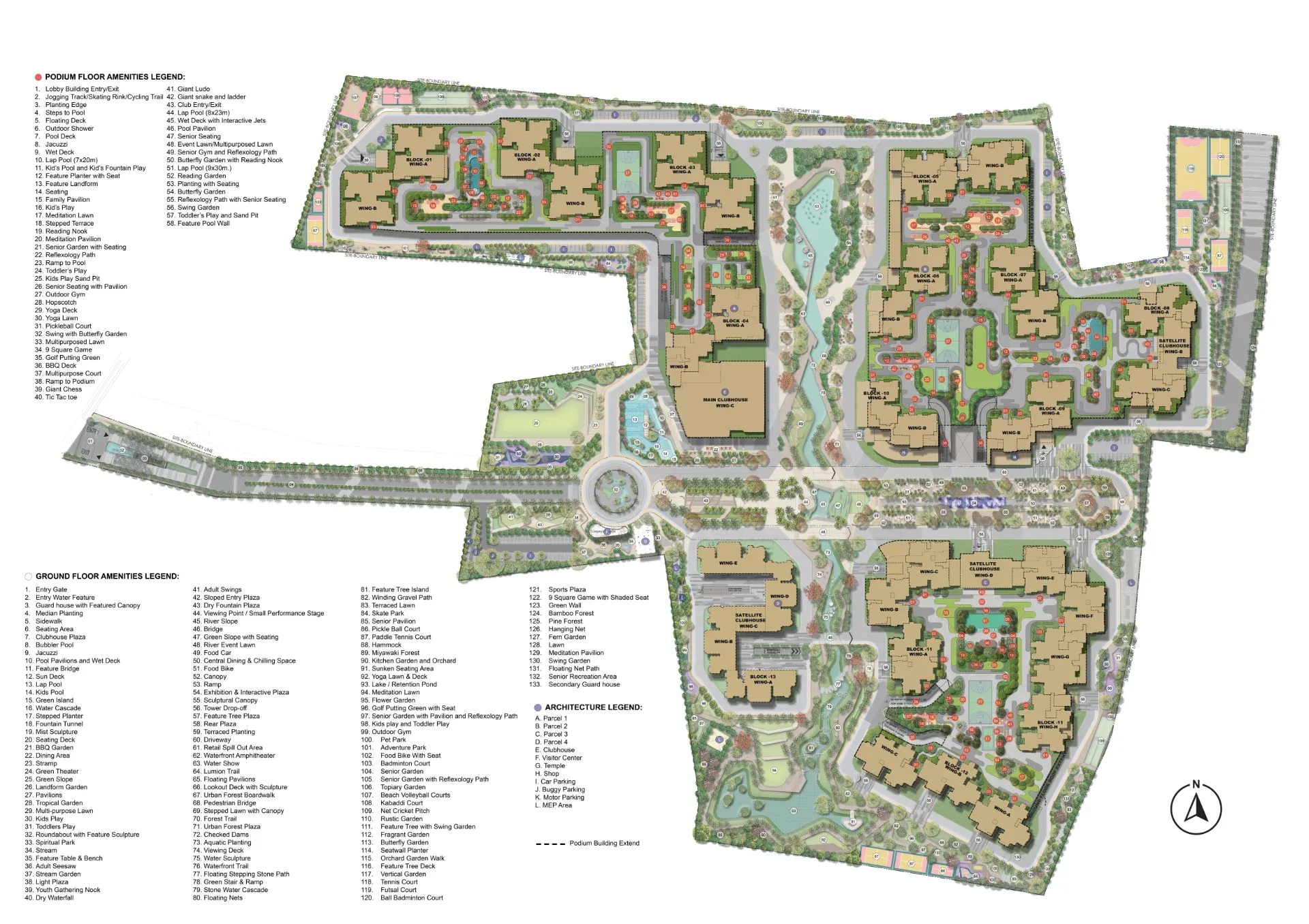
Inside the Sattva City Master Plan: 49 Acres Across 13 Residential Towers
Sattva City masterplan analysis — detailed look at the 49-acre layout, 13-tower configuration, podium planning, and landscape strategy at Doddajala.

When Will Sattva City Launch? Booking Journey and EOI Timeline Explained
Sattva City launch date and EOI booking — pre-launch window, booking journey, EOI benefits, and how to secure your priority in the formal launch queue.