
Government policy impact Sattva City — RERA benefits, tax incentives, government schemes, and policy environment driving Doddajala residential demand.
Understanding the government policy impact Sattva City story requires looking at the multiple layers of policy environment that affect residential property in India. RERA (Real Estate Regulation Act), tax policy on home loans and property transactions, infrastructure investment policy, and the broader macro-policy environment together shape the conditions under which Sattva City operates. This blog walks through how each layer affects buyer demand and what Sattva City specifically benefits from.
The government policy impact Sattva City story is not about any single policy but about the cumulative effect of multiple policy decisions that have improved the operating environment for premium residential development over the past decade.
Sattva City RERA Benefits
The Sattva City RERA benefits framework is the most important policy layer for any premium residential buyer. The Real Estate Regulation Act fundamentally improved buyer protections in Indian real estate transactions. For Sattva City Doddajala (Karnataka RERA registration in process), the RERA framework provides four structural protections. Escrow mechanism — 70 percent of buyer payments are deposited into project-dedicated escrow accounts that can only be drawn down against verified construction milestones. Plan disclosure — sanctioned plans, carpet area, and possession date are declared on the registered plan and cannot be altered without statutory approval. Defect liability — five-year structural defect liability post-handover. Delay penalties — statutory penalties for possession delays. These RERA benefits transform the buyer experience compared to pre-RERA real estate transactions.
Sattva City Tax Incentive Structure
The Sattva City tax incentive structure operates through the home loan tax framework. Section 24 of the Income Tax Act allows up to INR 2 lakh of home loan interest deduction per year against taxable income for self-occupied property (full deduction for let-out property subject to set-off limits). Section 80C allows up to INR 1.5 lakh of home loan principal repayment deduction plus stamp duty and registration charges in the purchase year. For a Sattva City 3 BHK financed buyer, the cumulative tax saving in year 1 can reach INR 1+ lakh, with ongoing annual benefits of similar order in subsequent years.
Sattva City Government Schemes
Sattva City government schemes that affect buyer demand include the broader infrastructure investment commitments at the corridor and city level. Namma Metro Phase 2B funding is government-anchored, providing the metro infrastructure that improves Sattva City connectivity. STRR (Satellite Town Ring Road) commissioning is government-led infrastructure development. NH-44 / Bellary Road upgrades are part of the national highway development programme. Each of these government-backed infrastructure projects contributes to the Sattva City demand context.
Karnataka State Policy Context
Karnataka state-level policy affects Sattva City through stamp duty and registration charges (5 percent + 1 percent for Sattva City pricing tier), Karnataka RERA enforcement, urban planning approvals through BBMP, and the broader state policy on premium residential development. Karnataka has historically maintained a relatively development-friendly policy environment that supports premium residential supply, and Sattva City benefits from this baseline policy stability.
GST and Indirect Tax Policy
GST policy on under-construction property has stabilised at 5 percent (without input tax credit) for under-construction residential units above INR 45 lakh. This GST structure adds approximately 5 percent to the all-in transaction cost for Sattva City buyers. Stamp duty in Karnataka adds another 5 percent. Together with 1 percent registration, the statutory tax burden adds approximately 11 percent on top of base price — significant but predictable, and considered as part of the all-in cost planning.
Foreign Investment Policy
For NRI buyers specifically, FEMA (Foreign Exchange Management Act) policy permits residential property purchase by NRIs without RBI approval. Payments are made through NRE/NRO/FCNR accounts or inward remittance. Sale proceeds and rental income are repatriable within prescribed limits. This NRI-friendly policy framework is essential for the substantial NRI demand component that Sattva City attracts.
Policy Stability and Long-Term Outlook
The cumulative government policy impact Sattva City framework provides reasonable policy stability for the 7- to 10-year hold horizon that premium buyers typically operate on. RERA enforcement has stabilised, tax policy on home loans has been consistent, GST structure has stabilised, and infrastructure investment commitments are multi-year. This policy stability is what supports the structural investment thesis for Sattva City and the broader airport corridor.
FAQs
What are the Sattva City RERA benefits?
Sattva City RERA benefits include 70 percent escrow protection, mandatory plan disclosure, five-year structural defect liability, and statutory delay penalties — the foundational buyer protections from Karnataka RERA registration.What government schemes affect Sattva City?
Sattva City government schemes include Namma Metro Phase 2B infrastructure funding, STRR commissioning, NH-44 upgrades, and broader corridor infrastructure investments that improve connectivity and property value.What is the Sattva City tax incentive structure?
Sattva City tax incentive includes Section 24 home loan interest deduction (up to INR 2 lakh per year), Section 80C principal repayment deduction (up to INR 1.5 lakh per year), plus stamp duty deduction in the purchase year.
Related Articles

Sattva City Construction Updates and Quality Standards
Sattva City construction quality updates — RCC framed structure, construction timeline, quality control standards, and milestone progress at Doddajala.
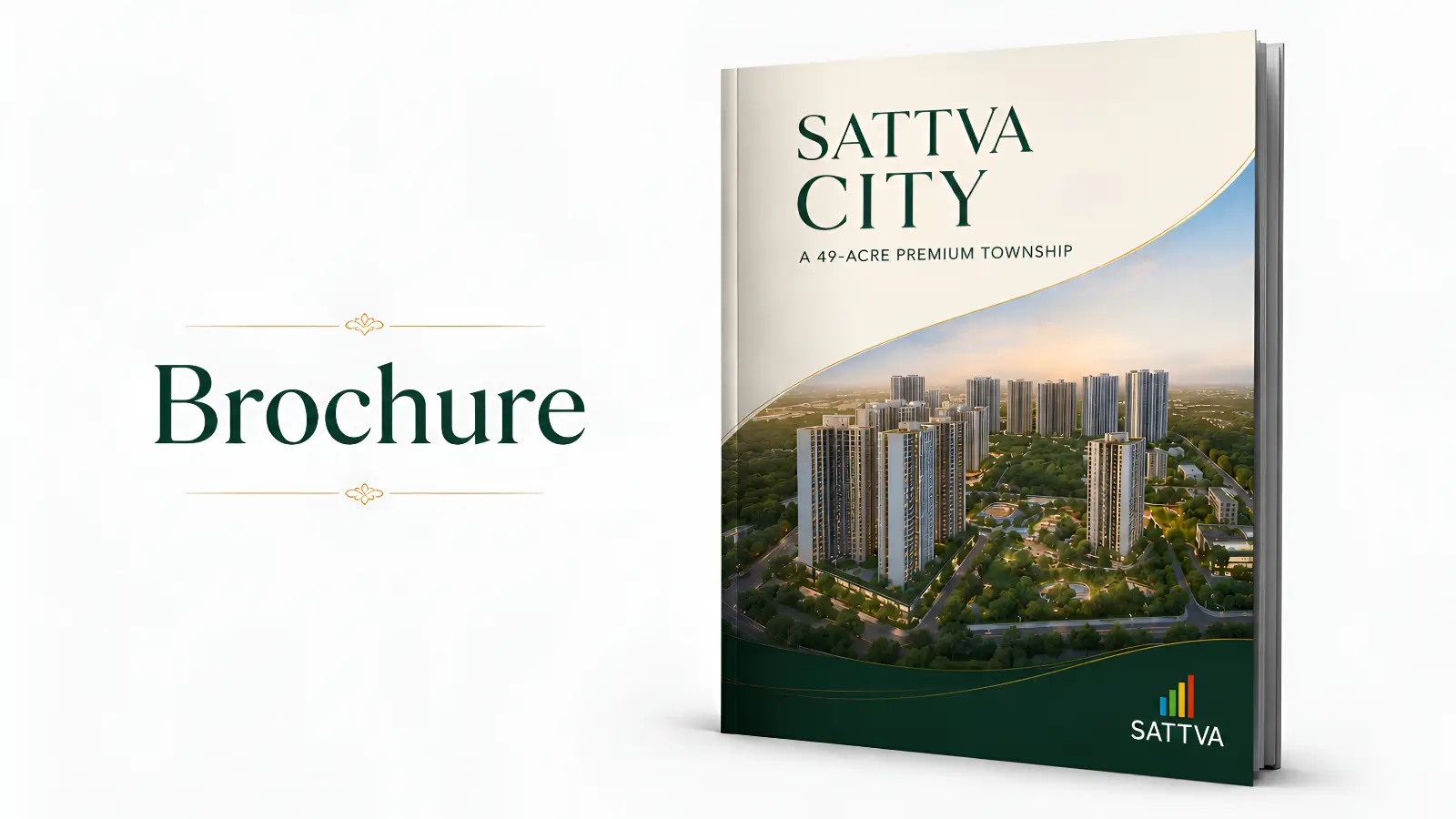
How to Download the Sattva City Brochure and What's Inside
Sattva City brochure download guide — how to access the official brochure, what's inside including master plan, floor plans, amenities, specifications, and pricing details.
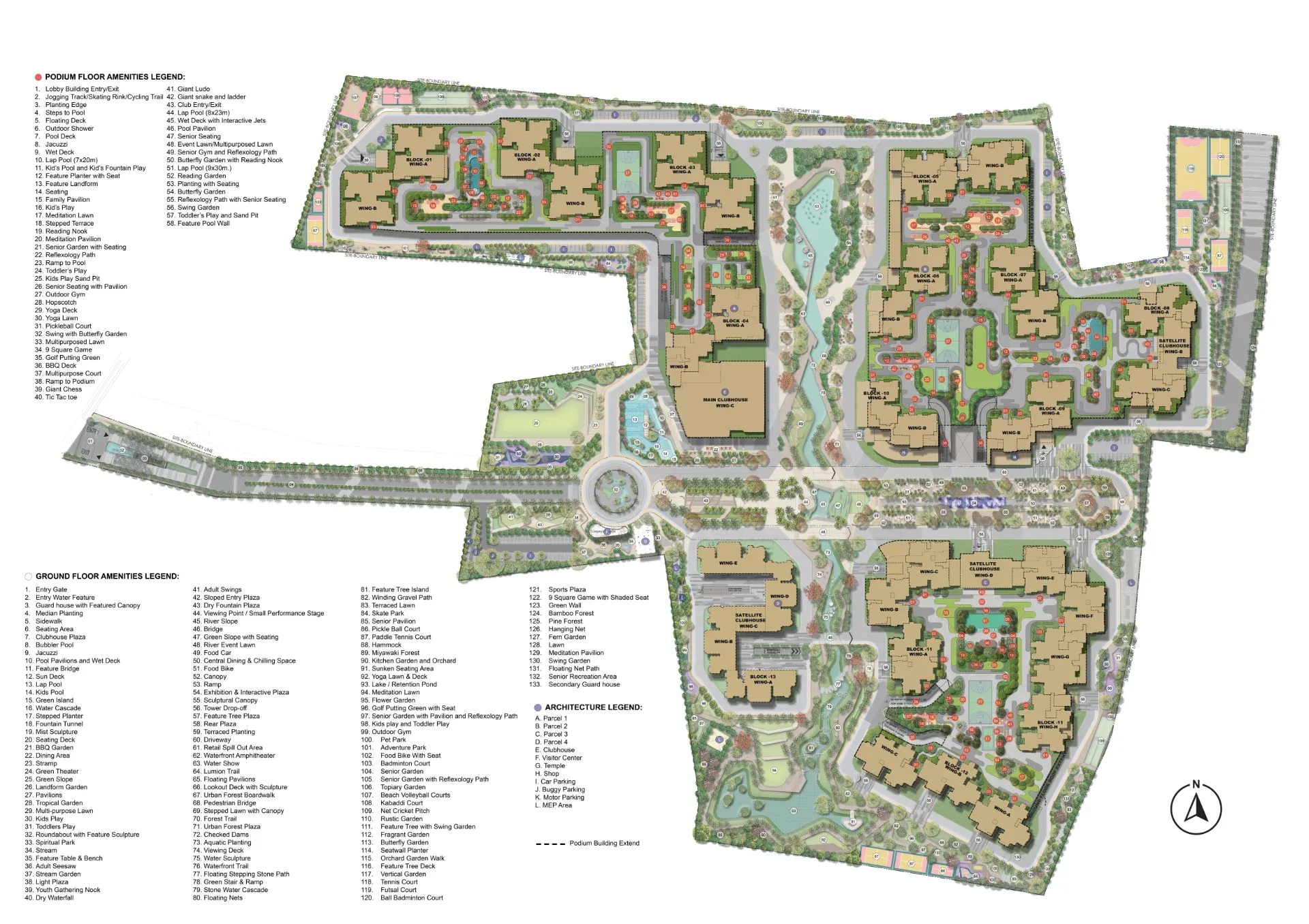
Inside the Sattva City Master Plan: 49 Acres Across 13 Residential Towers
Sattva City masterplan analysis — detailed look at the 49-acre layout, 13-tower configuration, podium planning, and landscape strategy at Doddajala.

When Will Sattva City Launch? Booking Journey and EOI Timeline Explained
Sattva City launch date and EOI booking — pre-launch window, booking journey, EOI benefits, and how to secure your priority in the formal launch queue.