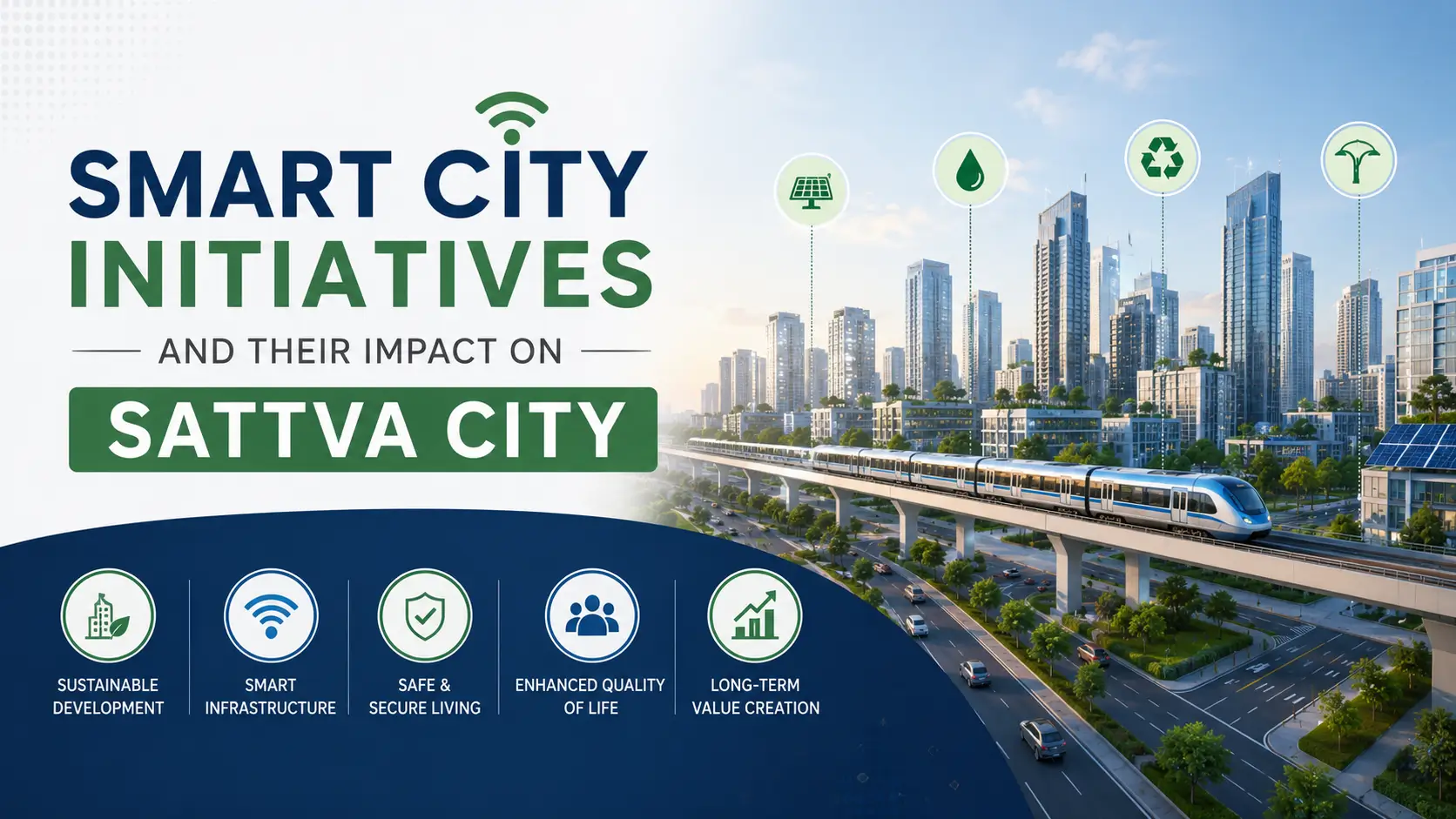
Smart city impact on Sattva City — Bangalore smart city initiatives, modern infrastructure, smart city integration, and urban tech impact on residential value.
Understanding the smart city impact on Sattva City requires distinguishing between marketing-driven smart city claims and the actual urban infrastructure transformation that affects residential property value. India Smart Cities Mission and Bengaluru-specific smart city initiatives have driven measurable infrastructure improvements across the city over the past decade — and Sattva City Doddajala benefits from the broader airport corridor infrastructure investment that smart city programmes have accelerated.
This blog walks through the smart city impact on Sattva City story — the specific Bengaluru smart city initiatives that affect the airport corridor, the modern infrastructure that Sattva City buyers can expect, and how smart city integration translates into measurable resident benefits over the ownership horizon.
Sattva City Bangalore Smart City Context
Bengaluru participation in India Smart Cities Mission has driven multiple infrastructure initiatives across the city — improved road infrastructure, traffic management systems, public transport integration, citizen services digitisation, smart water and waste management, and broader urban systems modernisation. The Sattva City Bangalore smart city impact on the airport corridor specifically includes the metro infrastructure investment, road network upgrades, and the digital citizen services that affect property transactions, utility connections, and ongoing residential life.
Sattva City Modern Infrastructure
The Sattva City modern infrastructure that buyers can expect operates at three levels. At the project level, Sattva City itself integrates contemporary infrastructure — smart access systems, CCTV surveillance, intercom integration, smart amenity scheduling, professional facility management. At the corridor level, road infrastructure, traffic management, and the planned metro provide modern urban systems. At the city level, citizen services digitisation (property tax payment, BBMP services, utility connections) reduces the operational friction that older-generation residents have historically dealt with.
Sattva City Smart City Integration
The Sattva City smart city integration extends across multiple practical dimensions. Digital property tax and BBMP services for ongoing payment management. Karnataka RERA portal for project transparency and quarterly progress tracking. Smart traffic management on NH-44 / Bellary Road improving commute predictability. Future Phase 2B metro integration with citywide metro network. Smart water and waste management within the township operating in coordination with municipal systems. These integrations are the operational expression of smart city investment translating into resident benefit.
Practical Resident Benefits
From a resident perspective, smart city impact on Sattva City translates into measurable daily benefits. Faster utility connections post-handover due to digitised processes. Easier property tax and BBMP service management through online channels. Improved traffic management reducing commute variability on the airport corridor. Better citizen services (police, fire, emergency response) coordinated through smart city infrastructure. The cumulative effect is reduced operational friction across the ownership experience.
Township-Level Smart Infrastructure
Within Sattva City specifically, the township-level smart infrastructure provides resident benefits that supplement the broader smart city context. Smart access systems support controlled amenity use. Centralised security monitoring through CCTV and intercom integration. Smart maintenance scheduling for common areas. Digital resident communication for community programming and emergency alerts. Smart visitor management coordinating between perimeter security and apartment-level video door phones. These township-level smart features represent the practical manifestation of smart living for daily residents.
Future Smart City Evolution
The smart city impact on Sattva City will continue evolving over the ownership horizon. Ongoing smart city investments at the city and corridor level will continue to improve the urban systems that affect residential property value. Township-level smart infrastructure can be extended over time as resident needs evolve. The combination of city-level and township-level smart investments provides a foundation that supports long-term property value over the 7- to 10-year hold horizon that premium buyers typically operate on.
Honest Assessment
Honest assessment: smart city language can be overused in real estate marketing. The Sattva City smart city integration is real but should be understood for what it is — a layer of modern urban infrastructure and digital services that supplement (rather than replace) the fundamental drivers of residential value. Location quality, project execution, developer credibility, and amenity intensity remain the primary value drivers; smart city integration is the operational support layer.
FAQs
How does smart city affect Sattva City?
Smart city impact on Sattva City operates through improved road infrastructure, traffic management, planned metro integration, digital citizen services, and township-level smart access and security systems that reduce operational friction across the ownership experience.What modern infrastructure does Sattva City have?
Sattva City modern infrastructure operates at project level (smart access, CCTV, intercom, facility management), corridor level (NH-44, metro, traffic management), and city level (citizen services digitisation, RERA portal transparency).What is Sattva City smart city integration?
Sattva City smart city integration includes digital property tax and BBMP services, Karnataka RERA portal access, smart traffic management on NH-44, planned metro integration, and smart water and waste management within the township.
Related Articles
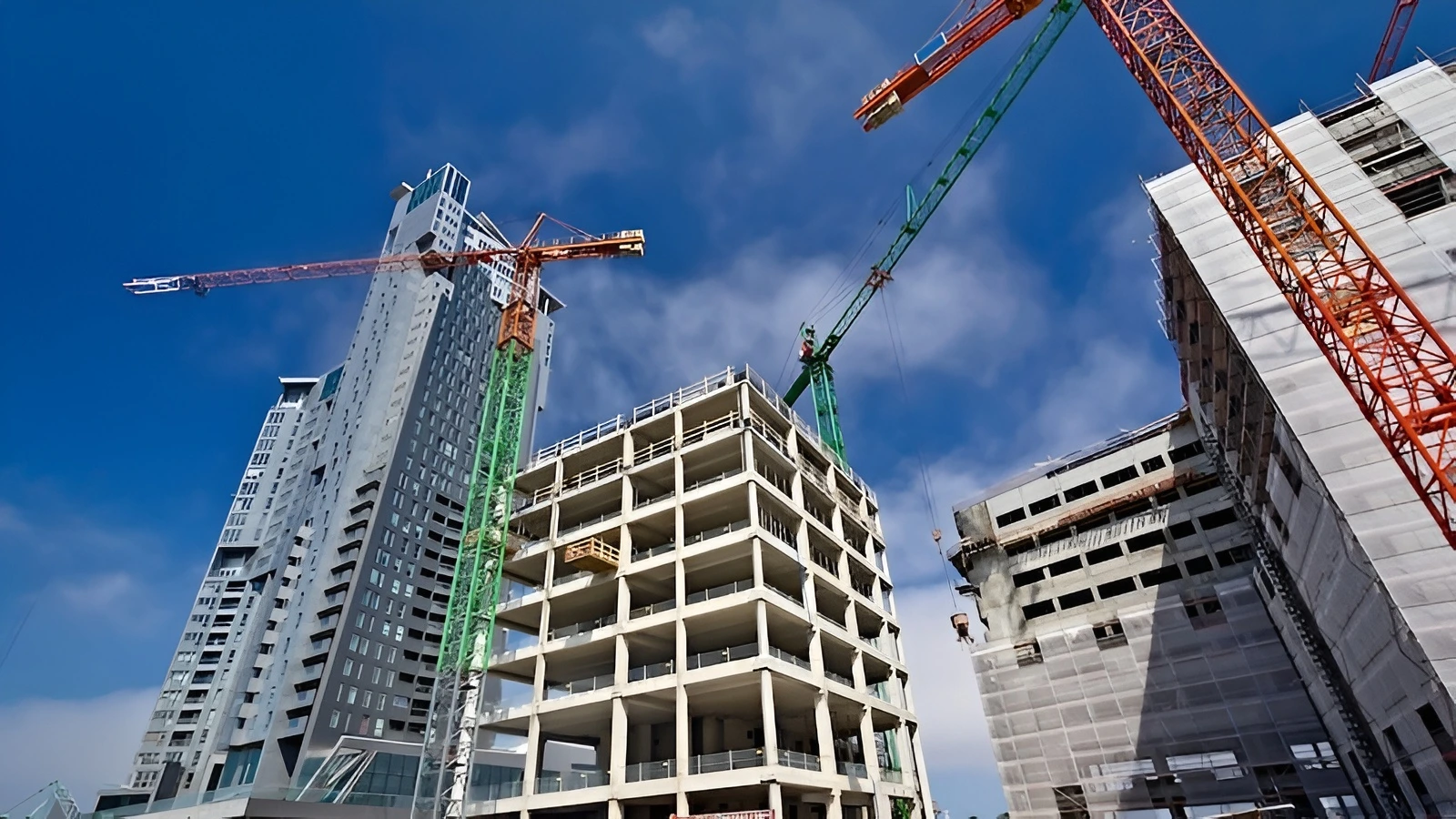
Sattva City Construction Updates and Quality Standards
Sattva City construction quality updates — RCC framed structure, construction timeline, quality control standards, and milestone progress at Doddajala.

How to Download the Sattva City Brochure and What's Inside
Sattva City brochure download guide — how to access the official brochure, what's inside including master plan, floor plans, amenities, specifications, and pricing details.
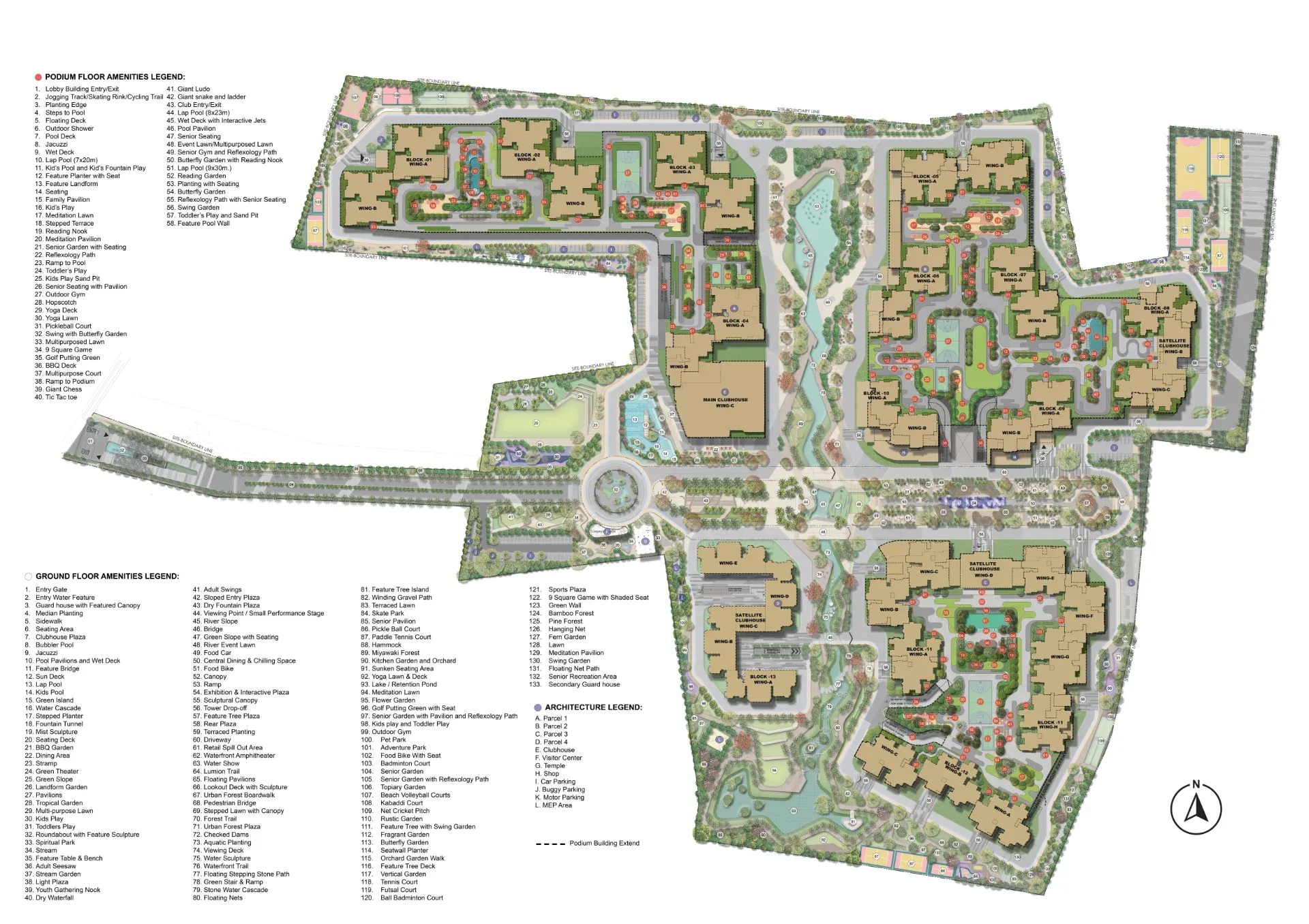
Inside the Sattva City Master Plan: 49 Acres Across 13 Residential Towers
Sattva City masterplan analysis — detailed look at the 49-acre layout, 13-tower configuration, podium planning, and landscape strategy at Doddajala.

When Will Sattva City Launch? Booking Journey and EOI Timeline Explained
Sattva City launch date and EOI booking — pre-launch window, booking journey, EOI benefits, and how to secure your priority in the formal launch queue.