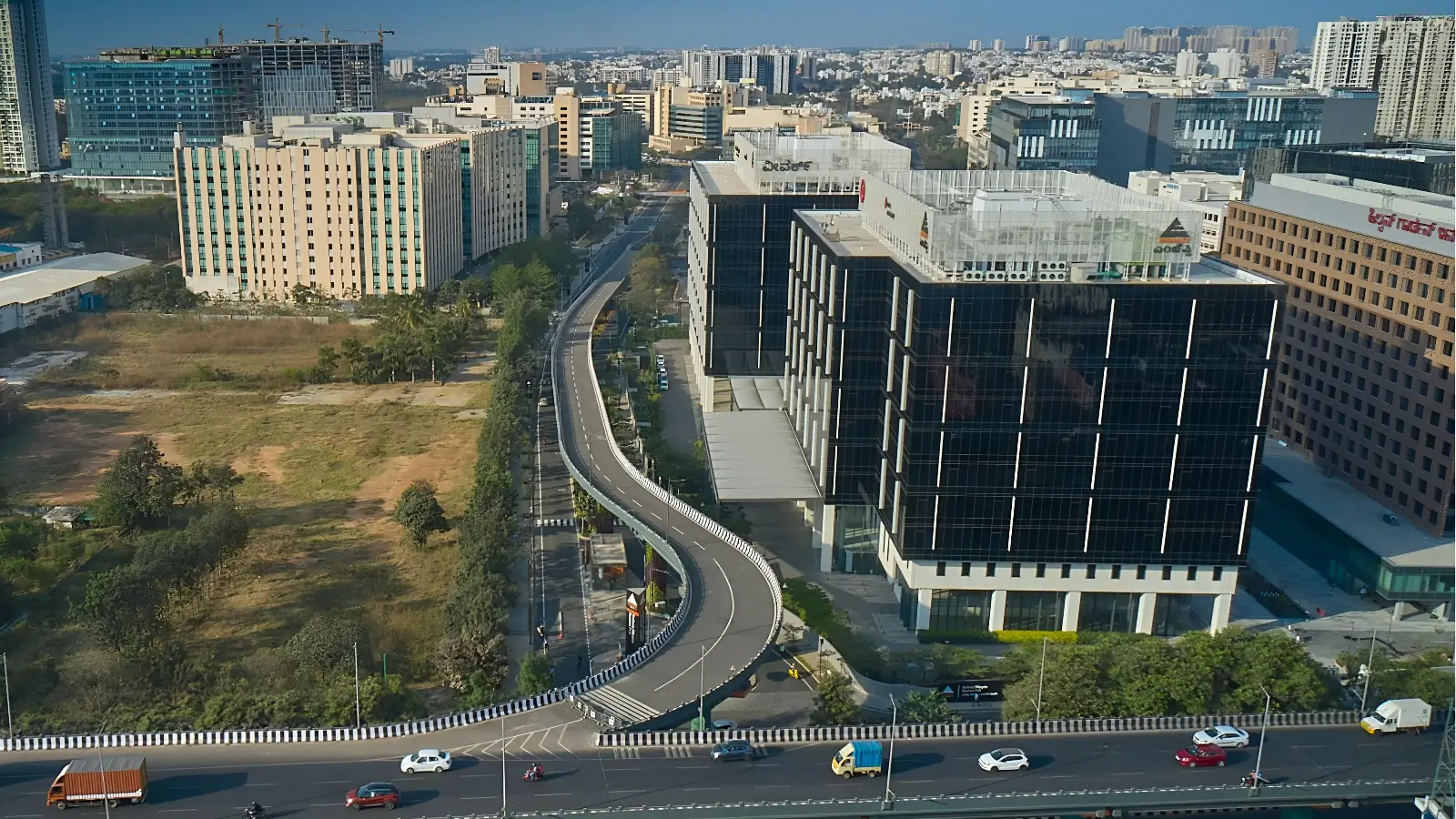
Bangalore IT impact on Sattva City — how the tech industry and corporate workforce drive demand at Doddajala, IT cluster effect, and demand sustainability.
Understanding the Bangalore IT impact on Sattva City is essential context for any buyer evaluating the project investment thesis. Bengaluru's IT industry employs over 1.5 million professionals across major employers, global capability centres, product companies, and the broader technology ecosystem. The compensation, hiring trajectory, and lifestyle preferences of this workforce form one of the most consequential structural demand drivers for premium residential supply across the city — including Sattva City Doddajala.
This blog walks through the Bangalore IT impact on Sattva City story across multiple dimensions: IT workforce composition and income distribution, demand mapping to specific configurations, the post-pandemic hybrid work shift that has changed location preferences, and the sustainability of IT-driven demand over the Sattva City ownership horizon.
The Sattva City IT Industry Effect
The Sattva City IT industry effect operates through three channels. First, direct buyer demand from IT employees who specifically choose airport corridor positioning. Second, indirect demand from corporate and aerospace cluster employees whose hiring is downstream of broader Bengaluru corporate growth. Third, rental tenant demand from IT employees who prioritise residence quality over commute distance and accept the airport corridor commute as part of the lifestyle trade-off. Together these three channels generate sustained demand at the price tier Sattva City operates in.
IT Workforce Income Distribution
Bengaluru IT compensation has risen substantially over the past decade. Senior IT professionals (Vice President and above) typically operate at INR 60 lakh to 2.5 Cr annual compensation including stock components. Director-tier professionals operate at INR 40 to 80 lakh. Senior managers and architects operate at INR 25 to 50 lakh. This income distribution maps directly onto the Sattva City configuration tiers — 2 BHK to senior managers, 3 BHK and 3.5 BHK to directors, 4 BHK to senior leadership, penthouse to executive tier. The Sattva City tech demand is structurally aligned with IT compensation distribution.
Sattva City Tech Demand — The Hybrid Work Shift
Post-pandemic hybrid work patterns have shifted the Sattva City tech demand structurally. Pre-pandemic, IT residential demand concentrated heavily near major office clusters (Whitefield, Marathahalli, Sarjapur, Manyata, Electronic City). Post-pandemic, with most IT employers operating on 2 to 3 days office plus 2 to 3 days remote patterns, IT employees have flexibility to choose residence locations based on quality and lifestyle fit rather than pure commute distance. This shift has expanded the Sattva City Bengaluru corporate demand pool meaningfully.
Sattva City Bengaluru Corporate Demand
Beyond pure IT, the Sattva City Bengaluru corporate demand pool includes financial services, consulting, aerospace, biotech, R&D, and the broader corporate sector that supports Bengaluru's economic ecosystem. The airport corridor specifically attracts corporate professionals with significant travel patterns, employees of the airport-area cluster (KIADB Aerospace SEZ, IFCI Financial City, Devanahalli Business Park), and senior leadership who value airport proximity for business travel.
Demand Sustainability
The sustainability of the Sattva City IT industry effect rests on Bengaluru maintaining its position as India IT capital. Despite periodic concerns about geographic competition from Hyderabad, Pune, and Chennai, Bengaluru continues to expand its IT and GCC workforce. The aerospace and financial services clusters at the airport corridor add independent demand streams that do not depend on pure IT hiring. The combination of multiple demand sources protects the Sattva City demand thesis against any single cluster slowdown.
Long-Term Demand Outlook
The 7- to 10-year demand outlook for Sattva City is supported by the convergence of IT industry continued growth, aerospace cluster structural expansion, financial services cluster maturation, and the broader corporate ecosystem expansion that follows. The Bangalore IT impact on Sattva City is not a near-term tactical driver — it is a structural multi-cycle demand foundation that supports both rental absorption during the post-handover years and capital appreciation over the long-hold horizon.
FAQs
How does Bangalore IT industry affect Sattva City?
Bangalore IT impact on Sattva City operates through direct IT buyer demand, indirect corporate and aerospace cluster demand, and rental tenant demand from IT employees who prioritise residence quality over commute distance.What is the Sattva City IT industry effect?
Sattva City IT industry effect translates Bengaluru's 1.5 million-plus IT workforce into sustained premium residential demand — Senior IT professionals into 3 BHK and 4 BHK, directors into 3 BHK, executives into penthouses.Is Sattva City demand sustainable over the long term?
Sattva City Bengaluru corporate demand is sustained by IT continued growth, aerospace cluster expansion, financial services maturation, and broader corporate ecosystem — multiple independent demand streams that protect against single-cluster slowdowns.
Related Articles

Sattva City Construction Updates and Quality Standards
Sattva City construction quality updates — RCC framed structure, construction timeline, quality control standards, and milestone progress at Doddajala.

How to Download the Sattva City Brochure and What's Inside
Sattva City brochure download guide — how to access the official brochure, what's inside including master plan, floor plans, amenities, specifications, and pricing details.
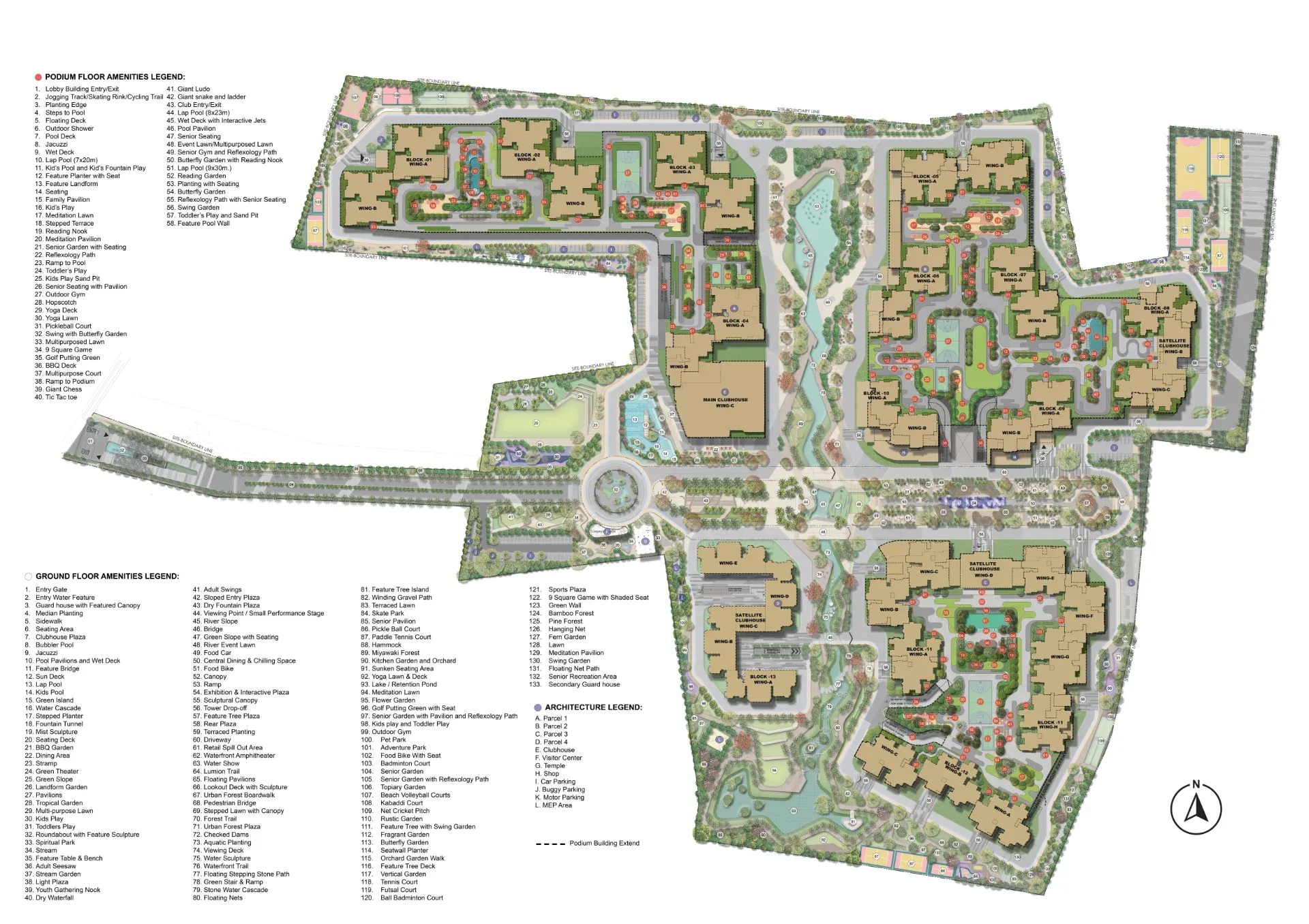
Inside the Sattva City Master Plan: 49 Acres Across 13 Residential Towers
Sattva City masterplan analysis — detailed look at the 49-acre layout, 13-tower configuration, podium planning, and landscape strategy at Doddajala.

When Will Sattva City Launch? Booking Journey and EOI Timeline Explained
Sattva City launch date and EOI booking — pre-launch window, booking journey, EOI benefits, and how to secure your priority in the formal launch queue.